Quantcast

Monday, September 19, 2022

The Feminist Multiplicity of Motherhood: A Review of Hanne Ørstavik’s Love

 Note: I wrote this review specifically as part of an assignment for a course I took this past summer with a visiting professor, Rita Felski. Thus, the review does assume an audience that is somewhat familiar with the book, since I knew Dr. Felski had already read it. Anyway, still thought it was a good piece of writing, so I wanted to share it here.


            “You know, when you’re a mother, you won’t be able to read all the time like this. You’ll have to actually pay attention to your children!” My mother repeated this refrain to me often as an adolescent, when she would become annoyed with my seemingly endless freedom to bury my nose in a book and become lost to the world. I was a voracious reader then, plowing through several books a week in a way she saw as irresponsible. I would stay up late to finish books, I would read through my (really quite boring) school classes, I would have read through dinner if my mother would have allowed it. I’m sure it was pure jealousy, her own wish to abandon her responsibilities as a mother and a housewife and a full-time working elementary school teacher and just get lost in a good book like me, get lost in any sort of activity that was purely for her own pleasure. But she was always too busy, so she contented herself with projections of my own future, when I would also be too busy to read, too absorbed in the roles of being a good mother.

            I still hear her voice in my head often, warning me that to be a good mother I have to put away my books and pay attention to my children, now that I have four children of my own. I also work full time, toiling away at a full teaching load of freshman composition as I struggle to finish my dissertation and graduate with my PhD. And like my mother before me, I have a husband to keep up a relationship with, and dinner to get on the table every night, and a house to keep (somewhat) clean. Yes, I am just as busy as she was.

            But I also still manage to read just over one hundred books for pleasure every year. Slower than my adolescent rate, but not by much.

            And I wonder, often, as any modern American woman with children will do, am I a bad mother?

***

            Hanne Ørstavik’s Norwegian novel Love, written in the late 1990s, explores similar questions about what it means to be a good mother, or a good woman. Translated into English by Martin Aitken in 2018, it is remarkable how much these issues still resonate in the culture of American motherhood two decades into the twenty-first century. Ørstavik’s tightly woven and relatively short plot revolve around the inner monologues of a single mother, Vibeke, and her almost-nine-year-old son, Jon, during their divergent adventures one fateful and perilously cold evening. After coming home from work and indulging in various self-care activities, Vibeke decides to venture out in search of books, entertainment, and possibly the companionship of a man (any man will do). Unbeknownst to his mother, Jon also ventures out in hopes of giving his mother time and space to make a surprise cake for his birthday, which is the next day. Vibeke’s inner monologue reveals not a single indication that she has any plans for her son’s birthday, let alone that she even remembers it is the next day, and this unforgivable fact, in concert with her general self-absorption, marks Vibeke as unquestionably a “bad mother.”

            And yet, when asked which of the two main characters I identify most with, it is not the son, who is clearly the more sympathetic protagonist. No, it is the mother I identify with most. Like Vibeke, I too wish I could “read all the time, sitting in bed with the duvet pulled up” (7). She gets through at least three books a week, sometimes four or five. My two books a week seem tame in comparison. Like Vibeke, I also like painting my nails deep shades of red. I too enjoy the sensuality of a bath and little rituals of self care. A damning line from the novel comes after the dinner scene, when Jon is chattering endlessly about something. “Can’t you just go, she thinks to herself. Find something to do, play or something” (17). This line is pointed to by critics as evidence of just how terrible she is as a mother. But I have this exact same thought about my own children at least twenty times a day. Please, can’t you just stop talking to me, stop needing me? Just give me a moment to think my own thoughts? I see myself reflected back to me in so much of Vibeke. Does this mean I am a bad mother?

            This book was one of a spate of Norwegian novels written during the final decade of the twentieth century that offered examples of “bad mothers” or broken families as part of an exploration of the relationship between critical feminism and motherhood. Early feminism had a complicated relationship with motherhood. On the one hand, the roles of motherhood were so defined by the institutions of patriarchy that choosing not to have children seemed the only way to be a true feminist. Influential feminists like Simone de Beauvoir and Jeffner Allen called for a complete rejection of motherhood, arguing that “motherhood is dangerous to women because it … denies to females the creation of subjectivity” (Allen 315). On the other hand, women keep choosing to have children (and rationally, some women must have children to propagate the species), and such women’s lived experiences cannot be discounted in the great feminist project of caring for and about all women. But the question remains, both for feminism and this novel, what makes a good mother? What makes a bad one? And can you be a feminist, individual woman and a good mother at the same time?

            One could make a surface argument that Vibeke embodies a fully liberated feminist woman. She apparently has left Jon’s father because, according to Jon, who repeats the phrase as if he’s heard it many times before, “She was too young to be tied down” (56). She only reads books by female authors (a fact noted in passing that could be interpreted as either very feminist of her indeed, or rather weak-minded of her, depending on which female-authored books we’re talking about). And she seems like the type of woman who, unlike the model mother figure of the oppressive patriarchal order, is peculiarly free of self-sacrifice. She is her own woman. She pursues her own pleasure. If it weren’t for the fact that she is painted as a little silly and foolishly bad at reading people and relationships, Vibeke could be the heroine of some other novel, the free woman escaping the bounds of expectations placed upon her by society and the patriarchy.

            But she is not a heroine here. In this novel, her silliness is inexcusable, her self-absorption bordering upon the criminal as it leads to the serious neglect of her son. The neglect is not so much in how she is unaware of her son’s location, nor of his seeming self-assumed freedom to enter the houses and cars of strangers, nor her own failure to secure a babysitter before she leaves for the evening (here is a feature of the novel that does not translate well to current American culture, where we helicopter and hover over our children to the point that even in the safest of suburban neighborhoods, children up to age fourteen are not allowed to be left on their own[1]—Americans must take care to remember that even as historically recent as the nineties children were routinely left home alone for several hours at a time with no one blinking an eye; and as for Jon’s encounter with strangers, it is also important to note that he is neither harmed nor endangered by any of these strangers, they do not cause the tragedy of the book). No, the true neglect is in how little Vibeke thinks of her son at all. The inner monologues reveal that Jon thinks of his mother all the time, while she thinks of him rarely. That is the essence of Vibeke’s “badness” as a mother.

            But it is also the essence of where this book fails, both in terms of Vibeke’s character development, and as a feminist (or anti-feminist?) text addressing the issues of motherhood. In setting the liberated and self-focused Vibeke up as a “bad mother,” the sub-text seems to suggest that a good mother would be the opposite of Vibeke. A good mother, in contrast, would be self-sacrificing. A good mother would not go out in search of her own pleasure, she would devote herself to the care and pleasure of her child. A good mother would not have gone to the fair; rather, a good mother would have stayed home and made that cake for her son. This has been the narrative of motherhood writ large for the past century, if not more, and this is the patriarchal institution of motherhood that feminism has continued to grapple with. When you become a mother, you cease to become an individual, you cease to become a woman with needs and interests and desires. You must subsume all of that in service of your children. So my mother told me (both in words and by example), and so this book seems to be telling its readers. This is what good mothers do.

            But I would like to propose an alternate possibility for what it means to be a good mother, via an alternate imagined version of this character of Vibeke. It doesn’t substantially change the plot of this story, and indeed, may not change the outcome of the tragic ending. In my version of this story, Vibeke still leaves the house to go to the library in search of a good book. She even still goes to the fair, and possibly even on that terrible date with Tom (the man she meets at the fair). But in my version, in between all the other thoughts she has, Vibeke also thinks of her son. She thinks of what books she might pick up for her son at the library along with her own. She thinks of how her son might enjoy the fair and when she might be able to bring him back to it. She thinks of Tom in terms of how he might get along with her son. She still has her moments of annoyance and frustration with her son (heaven knows we all do), but alongside those, she has her thoughts and feelings of affection. At the very least, she remembers the birthday, and thinks of picking up a cake at the store in the morning. And while these individual thoughts might not change the specific course of the plot as it stands, I suspect that they would indicate a fundamental change in the character of Vibeke that would ripple out into the thoughts and actions of her son, and possibly make the tragic outcome one of pure accident, not neglect.

            Not a single one of these thoughts requires any self-sacrifice on her part, or rejection of her individual self in the service of her son. She is still allowed to be a completely individual woman. She is still allowed to indulge in her own needs and desires. She is even allowed to be a little silly and bad at reading men. But here’s the thing about women that any fully realized feminist ideology recognizes: we are capable of multiplicity. We are capable of multiple identities, we give attention to multiple areas of our lives. We can love reading, we can seek out companionship and excitement, and we can think about our children. While I am in no way espousing the doomed platitude that women can “have it all,” I am absolutely saying that a woman can be an individual person and a good mother. At the same time.

            Because after all, being a mother, just like being a partner or a friend or a daughter, is far less about the “roles” society has assigned to that title, and far more about what matters in any relationship: paying attention and showing love. It does not follow that the attention paid must be all consuming. In fact, in any other relationship, paying all consuming attention is generally considered dismally unhealthy. In any other relationship, it is recognized that a fully whole and individual person who takes care of themselves is far better able to show up for the other person. So it is in motherhood. Vibeke fails as a mother not because she takes care of herself and seeks to fulfill her own needs. She fails as a mother because she forgets her multiplicity. She forgets she can pay attention to both herself and to her son.

***

            And yet, I still find myself pondering the question, am I a bad mother? Am I paying enough attention to my children? Perhaps those questions can only be answered by my children themselves and their future (and in one case, current) therapists. But here’s what I do know: sometimes I ignore my children so I can finish the book I’m in the middle of, or work on my dissertation, or I send them to bed early so I can carry on an uninterrupted adult conversation with my husband. But sometimes, I put my book down so I can shoot the breeze with my oldest son, or I leave the dissertation mid sentence to comfort the crying baby, or I sacrifice date night with my husband so we can have game night as a family. I’m not perfect about the balance. There are times I feel frustrated about the lack of time and attention I’m able to pay to my work and my hobbies and my adult relationships. There are times I feel frustrated about the missed moments with my children. But I still give some time and attention to each of these things in turn, because each of these parts of my life is better for the attention I pay to the other. I am a happier mother, happier to spend time and attention on my children, when I’ve already had some time to do other things just for myself. And I’m a happier woman, happier in my career and my hobbies, because I’m grounded in relationships that bring me foundational purpose. My children give my life purpose and meaning, my work and hobbies give my life interest and satisfaction. I devote attention to my identities as a woman, as an academic, as a reader. And I devote attention to my children. Both/and. Is it enough? I don’t know. But I do know I’m happier than I would be without my children, and happier than I would be if I never allowed myself the time to read for pleasure.

            And also, I’ve never forgotten my children’s birthdays. So at least there’s that.


Works Cited

Allen, Jeffner. “Motherhood: The Annihilation of Women.” Mothering: Essays in Feminist Theory, edited by Joyce Treblicot, Rowmann and Allanheld, 1983, pp. 315-30.

Ørstavik, Hanne. Love. Translated by Martin Aitken, Archipelago Books, 2018.


[1] Every state has different laws and age limits, but in the most extreme case of Illinois, it is illegal to leave children unattended before the age of fourteen. See https://www.ilga.gov/legislation/ilcs/fulltext.asp?DocName=070504050K2-3

Tuesday, February 1, 2022

Eternally Safe

I wrote this story last year, shortly after the events here happened, but I could never quite bring myself to hit publish on this piece. I just have too many close friends and family who have experienced miscarriages recently who might read this blog, and I didn't want to rub my miracle in their faces. But as my husband's birthday was this past weekend, which marks the one year anniversary of this worst night of my life, I've been reflecting on this experience again, and my feelings from that night. Now that I have a beautiful amazing squishy perfect baby in my arms, the potential loss of that night seems even more unimaginably painful, but I hold to my original feelings of faith. I guess I use this blog often to record some of my more personal reflections on faith and spirituality. These just are organic parts of me that I need to write about, record, and feel compelled to share. And this is one story I do feel compelled to share, so here we go. 

Content Warning: Graphic descriptions of blood loss, trigger warning for (potential) miscarriage, (potential) baby loss. Read only if your heart (and gross factor) can handle it.


My husband's birthday had been on Thursday, but we celebrated that Friday because, well, Friday is just an easier day for celebrations. I dropped all the kids off at their various schools/daycares, then ran to a doctor's appointment. I was seventeen weeks, we listened to the heartbeat, she prescribed me a new medication to help with the nausea (I'd still thrown up that morning), then met my husband for lunch at a barbecue place (and yes, I managed to keep the food down, it helps when I don't have to make it myself!). A mid-day date is a rare luxury we've only begun to enjoy this year, with him working from home and all the kids in school. We talked about how once the baby came, such luxuries would disappear again for a few more years.

That night with the kids we ate cake, watched a movie (Dad's pick, since he was the birthday boy), then got the kids put to bed. It was about 9:30, I was sitting on our bed on top of the snow white duvet, when I shifted positions and noticed the blood. A bright red spot in the middle of that snow white fluffiness. Out of place. Unexpected.

"I'm bleeding!" I announced to my husband, who examined the spot and immediately jumped into stain-prevention mode (he's the one in our relationship who cares about stains, it's his area). I ran to the bathroom, hoping against hope that this was just a minor fluke, just a little bit of spotting, nothing to worry about.

But the flow down my legs told a different story. I grabbed toilet paper and tried to staunch it, but the blood just kept coming, soaking through wad after wad after wad. My husband hovered back and forth between me and the trail of blood I'd left behind, trying to clean things up, trying to find the one thing he could control in this situation. I told him to grab a phone and do a Google search, "Bleeding at seventeen weeks pregnant: when to call a doctor!" This had never happened to me before in any previous pregnancy. I'd never so much as had a spot of blood before delivery. I knew this was not normal, and it was not good.

Then I felt it. A giant, slithery, squishy something slid it's way down my vagina and slipped into the toilet with a splash. My heart stopped. What was that? I couldn't tell through all the bloody water, but I needed to know (because the not knowing, the imagining was so much worse), so I reached my hand into the toilet and pulled it out, heart in my throat. It looked like a giant disk, rubbery, about the size of my palm. My husband used my phone to take a picture. It was a clot, we guessed. Just a blood clot, nothing more.

But it was still the moment when I had to look at my husband, hands and legs and toilet covered in blood (it looked like a crime scene), and whisper, "I think I'm losing our baby."

Everything after that was a blur. There was the phone call to my doctor's office emergency line, where we were told we needed to go to the emergency room immediately, then the phone call to my mother-in-law who immediately jumped in her car to come spend the night at our house with the kids, the phone call to my parents to ask for prayers, then my husband gave me a blessing, and we cleaned up the blood as best we could and got me dressed with a giant pad in place, and loaded into the car as soon as my mother-in-law showed up.

And through it all, through the long dark drive to the emergency room clutching my husband's hand, I imagined my future weeks and months. I imagined healing from a miscarriage. I imagined telling my children they wouldn't be getting a sibling in July (that thought nearly killed me). I imagined an empty summer with just normal activities, no babies. I couldn't imagine trying again. I couldn't imagine going through a first trimester again. I didn't know if I had it in me. I thought, "This is still our last baby, even if we lose it now," and that thought made me want to curl into a tiny ball and cry.

Perhaps it says something about the immense privilege of my life to say that this was the darkest moment of my life, the closest to heartbreak and loss I've ever come (there was the night we almost lost my father-in-law, which was also a dark, dark night, perhaps only that moment compares). I felt the weight of it hovering over me. It wasn't real yet. It wasn't medically confirmed yet. But I knew as soon as it was, the weight of the grief and sorrow would crush me. I wanted this baby so badly, I had already sacrificed so much to bring this baby into the world, and it would hurt beyond any pain I'd ever experienced to lose it.

But even in this dark, dark moment, even with this impending tragedy hanging over my head, and even with the expectation that I was facing a crushing pain that would shatter me, I found a place of stillness deep inside me. I sat in that car on that dark drive, and then sat in the bright antiseptic emergency waiting room, and I knew that no matter what, I would be okay. Because in my deepest core, I knew God was with me.

You never really know how deep your faith is until it is tested. This was a moment of test for me, but it is a moment I've also been trying to prepare myself for my whole life. The test was how will I respond when life comes crashing down and I face losing the most precious pieces of my heart? And my answer, which I had prepared myself for and then was able to find in that dark moment, my answer was to turn to God.

It wasn't until I taught a Relief Society lesson a few months after this dark night that I fully realized what I had experienced. The lesson was based on a conference talk by Sister Lisa L. Harkness, and the message was about how to find peace in the midst of anxiety and uncertainty in this life. Sister Harkness shares the story of the disciples on a boat in the Sea of Galilee one dark and stormy night. While Jesus slept, the storm raged and the disciples feared for their lives. I posed the question to the sisters in my ward, were those disciples ever in actual, real danger? Did they actually have reason to fear, or lose hope? Was all lost?

And the answer, obvious to us centuries removed and with all the hindsight in the world is, of course not. A ship containing the Son of God who had not completed His mission was never in danger of sinking. Catastrophe may have felt imminent to those disciples, but it was an illusion. There was no real danger. As long as they were with the Son of God, they would never be lost.

But I took the question further. I asked about later on, when Christ was actually killed. What must have the disciples felt then? Did they feel that the catastrophe had come? That the worst had happened? Did they feel despair, crushing defeat, immense sorrow? Yes, I'm sure they did, but the original question still stands. Was all lost?

And the answer, of course, is no. Even in that darkest night when Christ's body lay in the tomb, even in the poignant sorrow of that moment, God was there. They were safe, there was hope, for nothing can frustrate God's plan.

And that's what I knew in my own dark night. I knew that even though I would be incredibly sad to lose my baby, even though it would be heartbreaking and crushing, I knew I would be safe. I knew God still lived, and I knew God would be with me through my sorrow. I knew I would be sad, but I also knew the sadness would not destroy me, God would not let that happen. I believed in my worthiness to be comforted, as long as I remained faithful to my covenants. I wouldn't be safe from pain or sorrow in the moment, but I would be eternally safe in the love of God.

Of course, those of you who know the outcome of the story know that my faith was not completely put to the test that night. We got a miracle. We got to that moment when they held the monitor up to my belly and we heard the steady rhythm of a tiny, healthy heartbeat. My baby was alive. It was not a miscarriage. The ultrasound later confirmed baby was kicking and squirming. My placenta had simply slipped down to cover my cervix, a condition that often causes bleeding, but otherwise, was not cause  for major concern. Placenta previa (the technical name) usually self-corrects, and even if it did persist until the end, the worst it meant was that I might need a C-section. Compared to losing my baby, this was no big deal. My baby was safe. My baby was alive. The story had a happy ending that even a few minutes earlier, I didn't believe was possible.

I wonder often why we were spared in that moment, why the hanging threat of crushing grief was lifted and turned to joy, when for so many others the outcome is different (miscarriage is so common, but the commonness of it doesn't make the grief any less potent). I do not have answers to that question. I do not for a moment suppose it's because my faith made me more worthy of a miracle. I do not understand miracles yet, or why they are granted to some and not to others. I have known far more worthy and faithful people have their requests for miracles refused, so I do not know why we were granted ours. This is a subject I still wonder and think about often.

Instead, what I do know is that if sorrow had been the path I was called to walk, God would have walked it with me, even as He now walks with me in my joy. I'm so grateful I don't have to face the heartbreak of loss, but I'm also grateful to know that if I did have to face it, or when I will have to face it (as we all will at some point or another), I won't have to face it alone. I am eternally safe.

That is my faith, and it carries me through.

Rosie at birth

Rosie today.

Tuesday, December 14, 2021

2021 Top Ten (+1)

Okay, my last post on here was to announce the birth of my baby girl... and she's 5.5 months old now... so that's how things are going. But! I will never stay away forever because babies grow up and seasons pass and I find more pockets of time in my schedule and that continual itching to write about books and life never leaves. So I'll always be back.

The year is not over yet, but between now and New Year's Eve I have to finish my grades and wrap up the semester, celebrate the heck out of my-sister-in-law's wedding, pack like crazy, and take my whole family to Hawaii for Christmas (and not take my laptop), so this is kind of my last chance to get this post written before January (which is when I usually write these end of year wrap-ups, but hey, let's try doing things early for once in my life.)

So far this year I've read 71 books, and while I will likely hit at least 75 (after all, I still have that trip to Hawaii ahead of me), it's still not a banner year for me. This is the first time in three years I'll be under 100, but considering 2017 (when I only managed to read 67 books) was the last time I had a baby under one, I anticipated this year would likely be a struggle. On the one hand, I have all that nursing time to read, but on the other hand, my brain is sleep-deprived and fried.

And 71 books means I've still had a fair chance to read some pretty amazing books this year. In order that I read them, here are my top eleven reads from the year (I tried to narrow it down to ten, but hey, this is my blog, I make the rules).

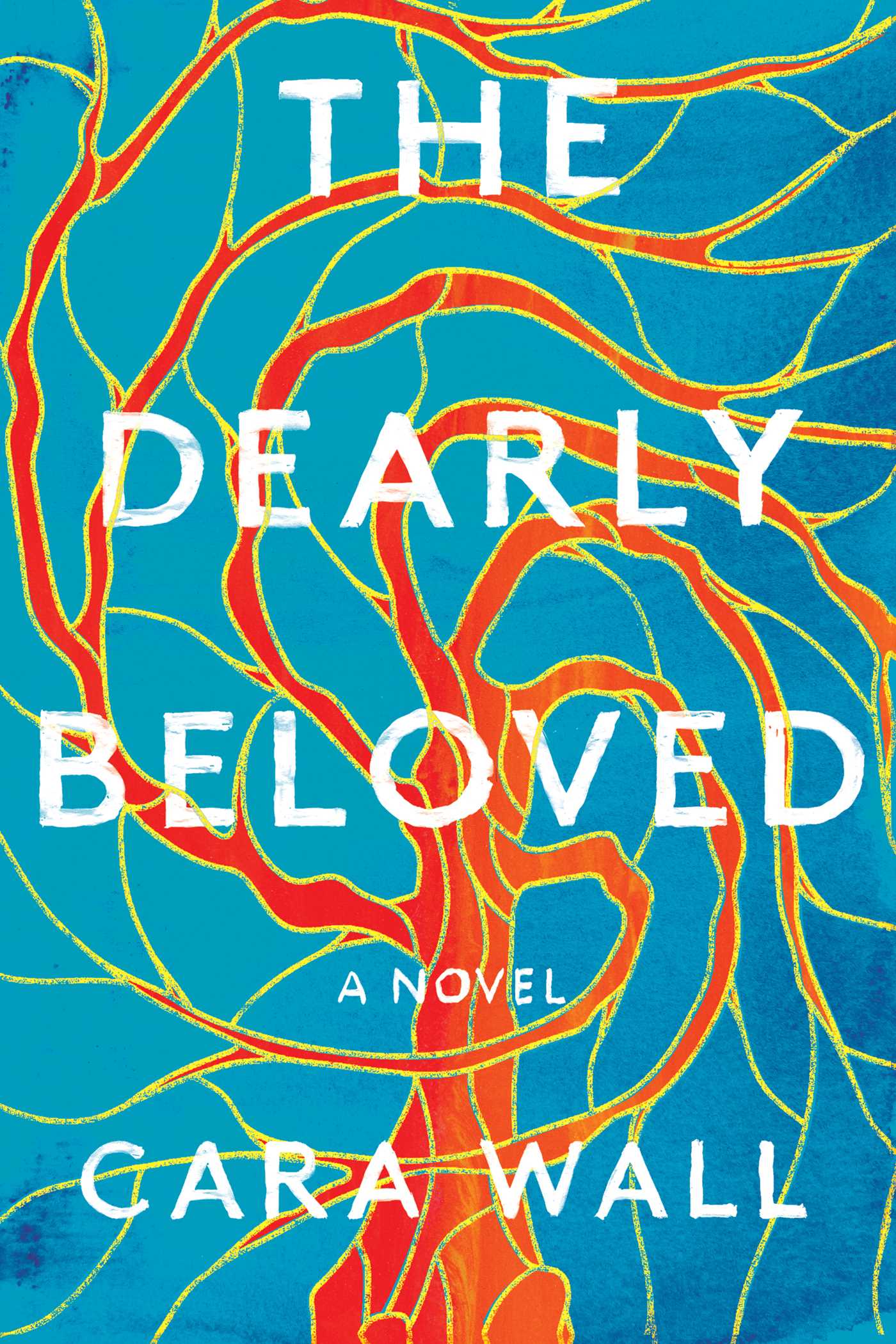
The Dearly Beloved by Cara Wall

It's about two couples, two co-ministers of a church in New York through the sixties and beyond and their wives, how they came to be friends, their relationship with faith and God, doubts, and trials. It was beautiful, but not perfect. I wanted more from it, I wanted the story to go on, I wanted more things explored and explained. And there are people I know who didn't care for this book as much, found it went on too long or whatever. But there were passages in here that made me feel so much, moments I still haven't forgotten a year later. I loved it.


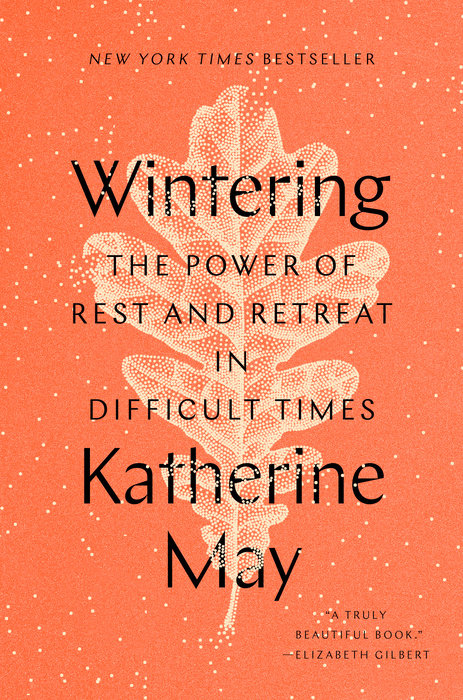
Wintering by Katherine May

I read this one back in January or February (a good time to read it), and I don't remember everything about it, but the things I do remember have really stuck with me and kept me thinking. It's not a perfect book, with a bit of a strange imperfect mix between personal narrative and research about winter, coldness, depression, and all sorts of things. But I still highly recommend it, I think, especially if you struggle with winter. I don't hate winter the way many people do, I don't struggle with depression, but I still found the message here resonated with me about why a season of dark, cold, and rest is necessary for life.


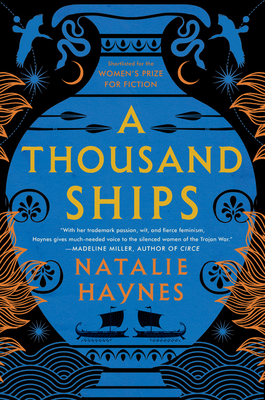
A Thousand Ships by Natalie Haynes

A feminist retelling of the Iliad and Odyssey, or at least, a retelling from the women's perspective. The chapters jumped around from story to story, and often I found myself just getting invested in a character's story when we'd be ripped away to the next one. But I still loved this perspective of these classic stories, especially Penelope's letters to Odesseus. 


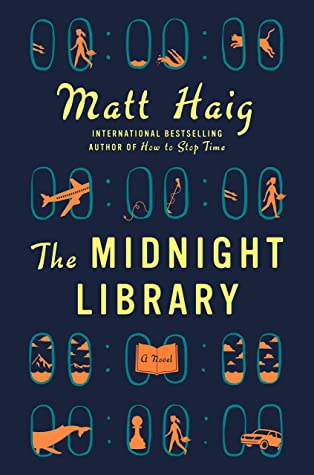
The Midnight Library by Matt Haig

I've heard this book criticized for being "gimmicky" or having a plot device that's a little too allegorical or hit-you-over-the-head with it's theme and message. Sure, but it's a really good and powerful message, and I actually thought Haig navigated his plot structure (which could've gotten old, or really Groundhog's day, or actually, whatever the opposite of Groundhog's day is, really fast) quite skillfully. It's the same message as It's a Wonderful Life about your life regrets probably mostly being unfounded, and the value of the life you've lived that you feel is worthless. I don't have many regrets in my life, but I still found this book resonating deeply.

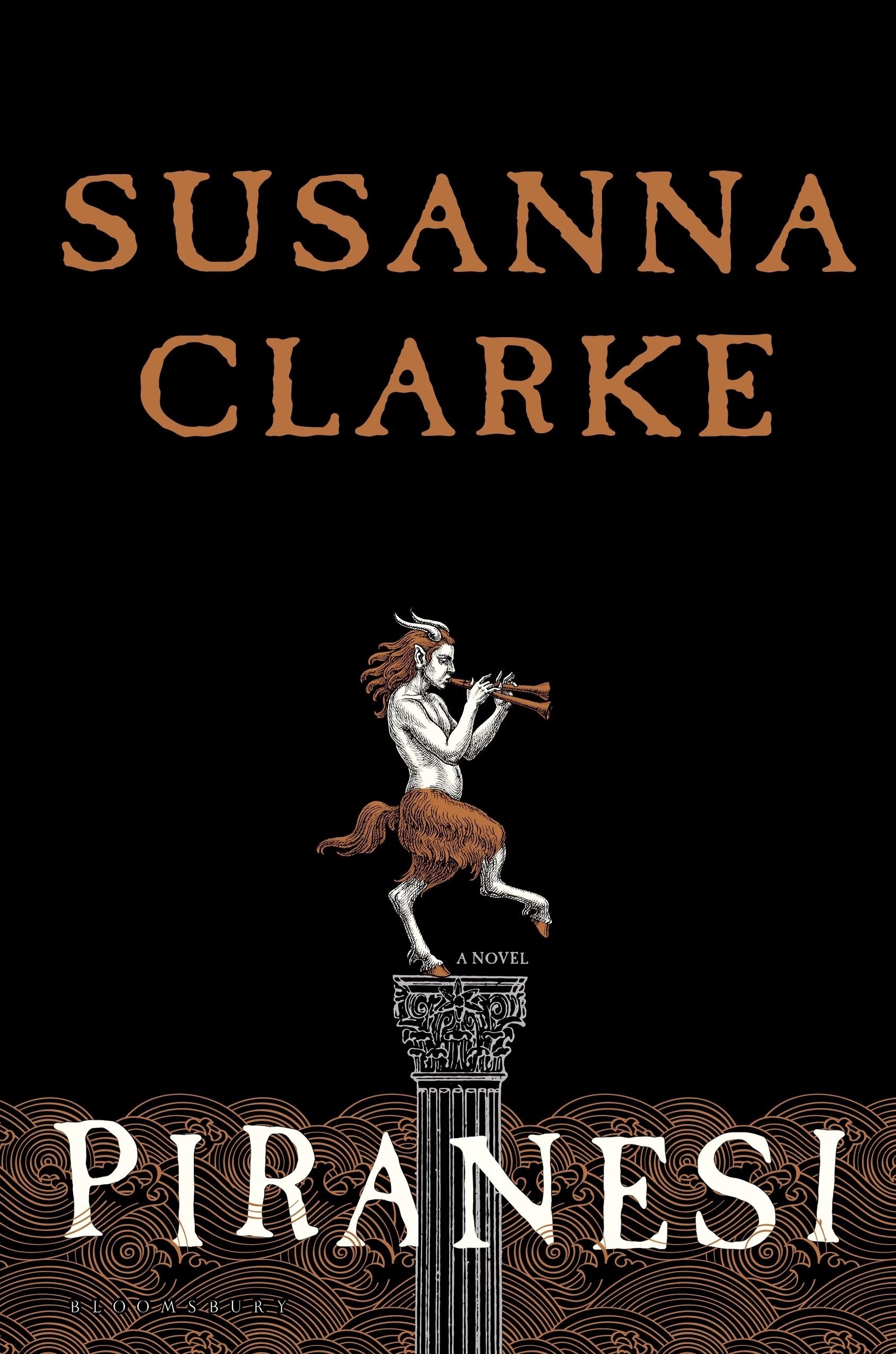
Piranesi by Susanna Clarke

I debated about whether or not to add this one. The experience of reading this book at the beginning is completely disorienting and strange and beautiful, but by the end has reduced down into something knowable and understandable and maybe even mediocre. But I don't know that I would've liked the beginning at all if it hadn't answered most (not all) of the questions by the end. But yes, something of the beautiful mystery had to die with the answers. Anyway, it's a very different book, and I recommend this one in print over audio. It's strange, be prepared, but just stick with it.


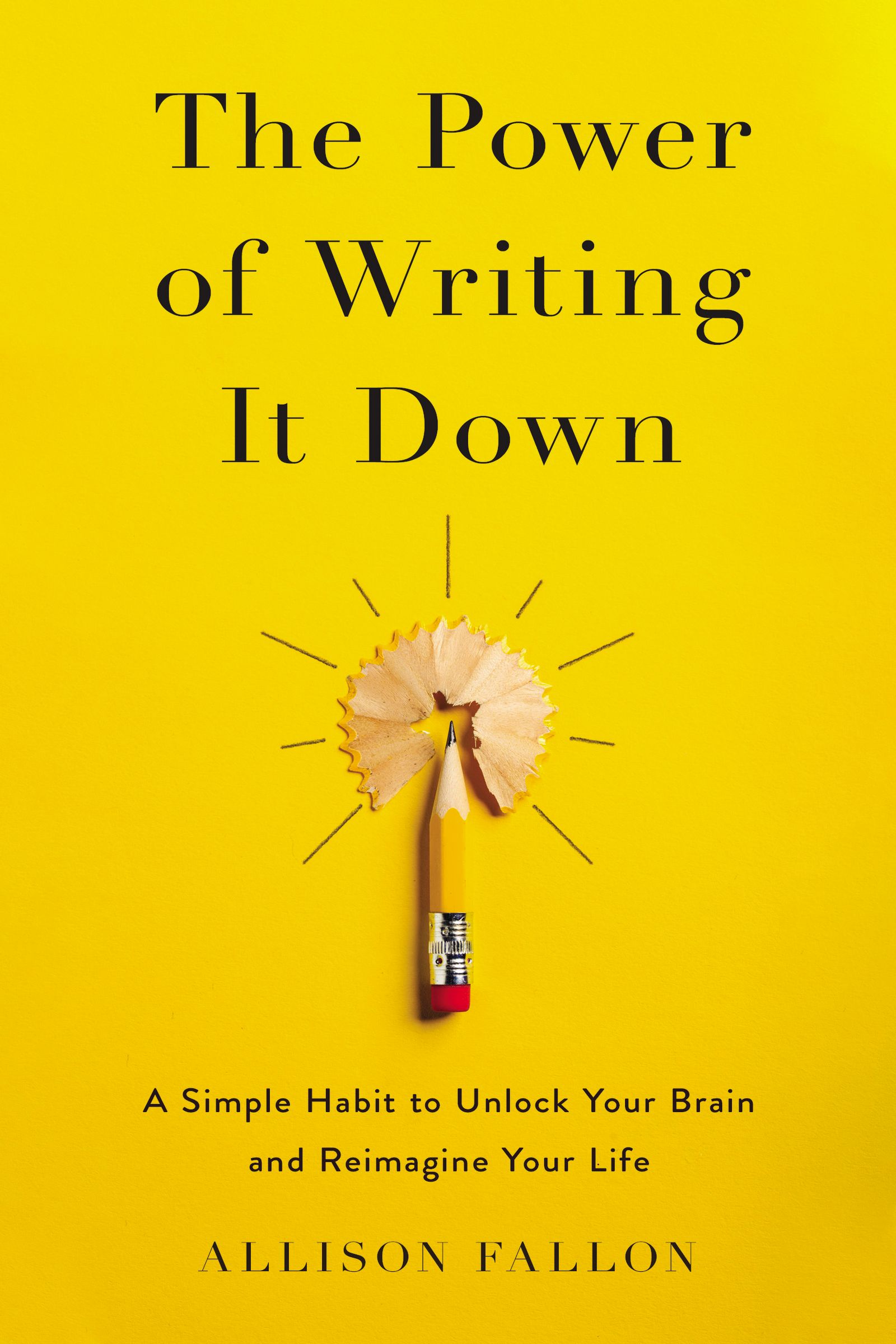
The Power of Writing It Down by Allison Fallon

For someone who makes a living inspiring and helping other people write, the writing in this was actually mediocre at best. But the message, despite it's self-help packaging and regurgitated cliche's, in one that resonates and speaks to my soul. The message is simply that we figure our lives out through writing about our lives. I believe this message, and I will preach it forever. And I think this book is worth the read if you can handle the self-help tone and style.


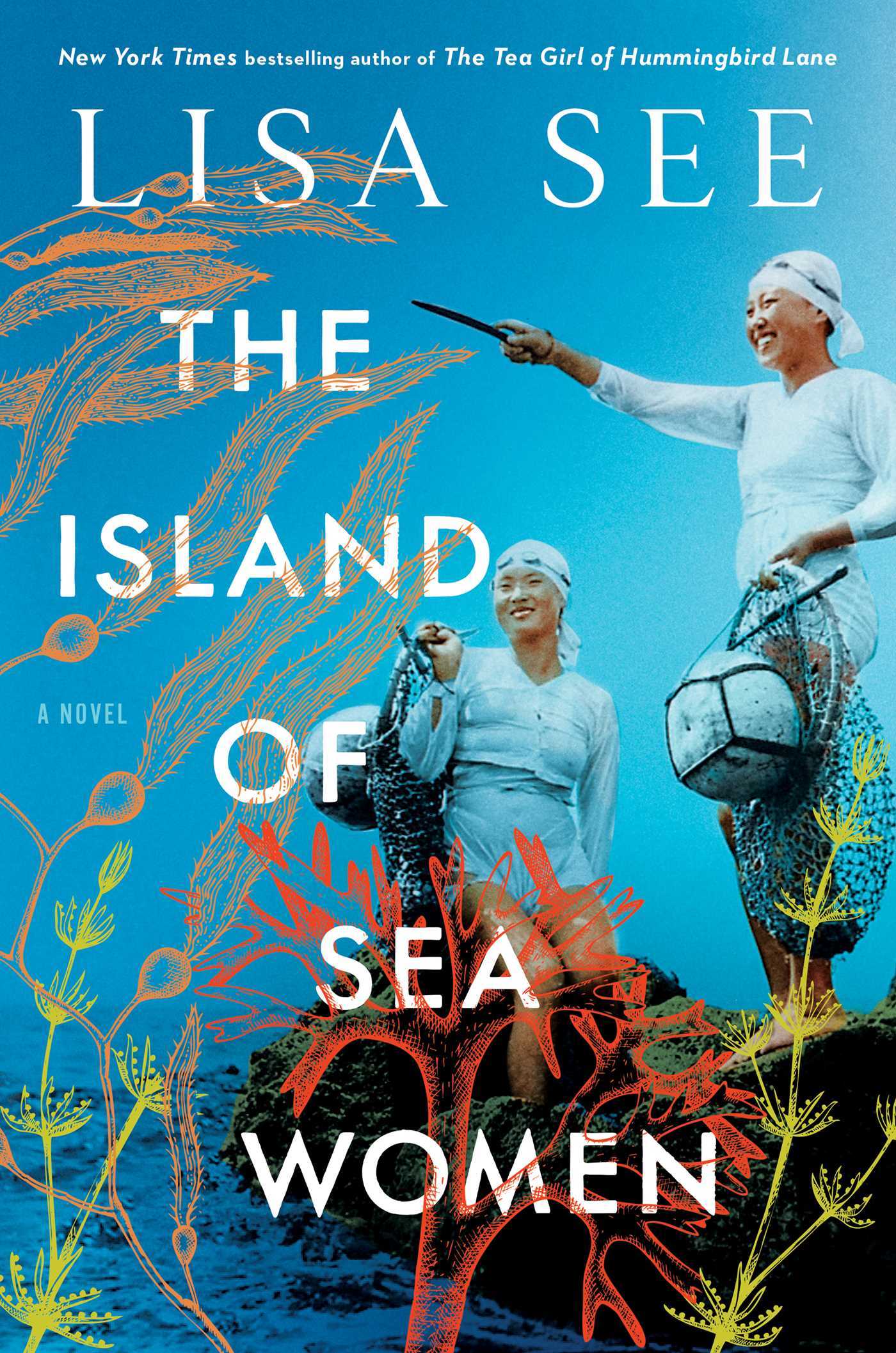
The Island of Sea Women by Lisa See

I almost gave up on this one early one, because while I found the (based on real life) culture and history of these Jeju women divers to be fascinating, it took a while for the central conflict and direction of this plot to get going. I was getting impatient and a little bored, but I'm so glad I stuck with it. It got dark, super dark, but in the end this story has had some serious staying power with me. It was beautiful.


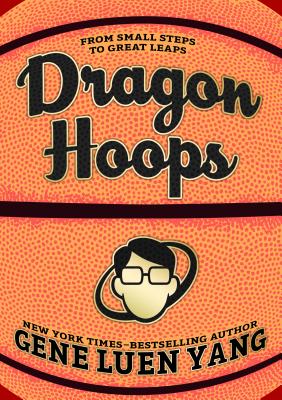
Dragon Hoops by Gene Luen Yang

A graphic novel about high school basketball has made my top ten list for the year. No one is more surprised than I am. But guys, this book was so good, and so interesting, because it's mostly based on a true story, and it was just fascinating to see how Yang chose to frame the truth of it, the parts of real life that didn't fit neatly into some perfect narrative, and while there was triumph, there wasn't perfect resolution in everything. And it was just so compelling and clever and fascinating to see what can be done with the graphic novel genre. In short, this was brilliant, and I highly, highly recommend this.


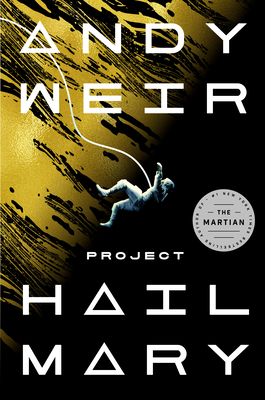
Project Hail Mary by Andy Weir

Wow. My brother's comment about reading this book is that he's just so sad he'll never get the experience of reading this for the first time again, and I feel exactly the same way, because the first time through reading this book is so. much. fun. It's a thrilling ride, hilarious, with an insane amount of science, and it's just so good. I wouldn't say anything about this is super deep (I mean, the science is deep, but not necessarily the themes or philosophical side of it), but the writing is incredible. And so fun. I mean, can I say it enough? This might have been the most fun reading experience I've ever had. Full stop. Highly recommend.


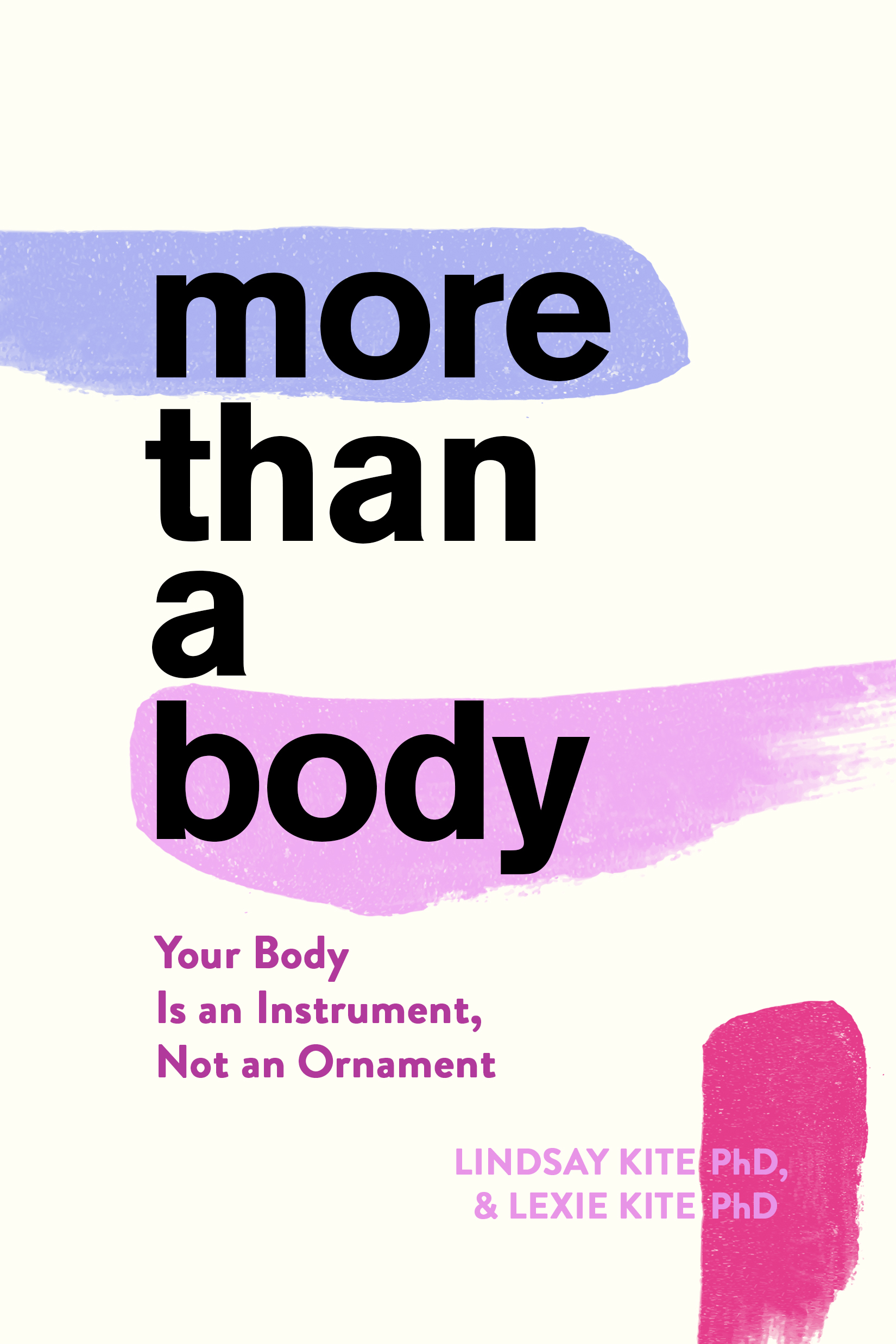
More Than a Body by Lindsey Kite and Lexie Kite

Nonfiction about the cultural objectification of women's bodies and how it causes massive shame and horrible problems. Here's the thing, we all know this is a problem. We all know women have too much shame and pressure around their bodies and looking young and thin and perfectly beautiful and it causes major mental health problems. But also, we are so much inside the culture that we don't realize how bad it is. And that's how it was for me reading this book, knowing that our culture objectifies women, but still needing this book to get me to see just how pervasive and harmful it is, and how we need to think more deeply about all of this. Read this, then talk to me about it, because it's going to take some digesting.

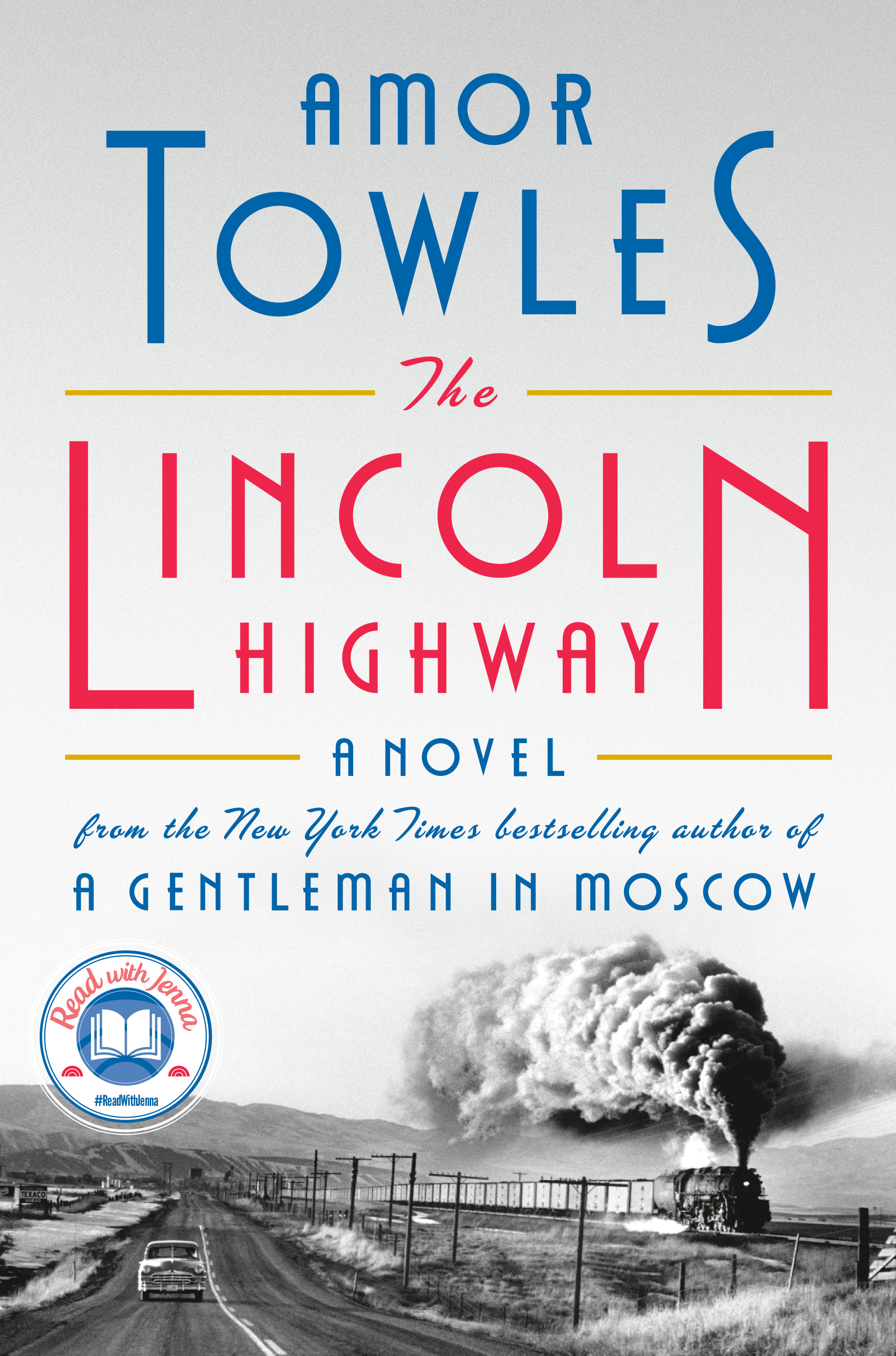
The Lincoln Highway by Amor Towles

Not quite as good as A Gentleman in Moscow in my opinion, but still so, so good. This was another one where I just loved the experience of reading it, loved being in the middle, and didn't want it to end. Towles is amazing at characters, and these characters are incredible. The plot gets a little over-drawn by the end, and that ending! I don't think it was the right ending! But I want to talk to you about it, because that is an ending that I just want to talk about forever and ever. I want to re-read this book again and again because I feel like there are so many layers to peel apart here. In essence, a worthy meaty book that leaves me already anxious for the next one Towles will write. I'm here for it.

Okay, there's the list! In the unlikely event I read another fantastic one before the end of the year that deserves a spot here, I reserve the right to come back and edit this list, but for now tell me which of these you've read so we can talk about them!


Friday, July 23, 2021

Baby #4 Birth Story

Introducing Rose Elizabeth Tanner, born July 2nd, 2021.

Yes, dear reader, I am no longer pregnant! And if everything goes according to plan, I will never be pregnant again! This is a fact that I cannot help marveling over again and again now that I am on this side of things. I will never be pregnant again. Hallelujah!

As with all of my pregnancies and birth stories, there is so much for me to process, so many emotions, and writing it out here always helps. There was my super traumatic first labor and delivery that ended in an emergency C-section, then there was my unmedicated second birth story that served as a dose of healing, and then there was my third birth story that was as dramatic as the little person herself.

And now we have my fourth and final birth story, which I'm just sitting down to write three weeks after the event. If I had to pick one word to describe this birth, that word would be "hard". 

Which is silly, because when I tell the short version of the birth story, it's actually very routine and happy. The short version goes like this: I experienced a long-term promodromal labor and was already dilated to a three, so my doctor agreed to induce me as early as the hospital would allow (39 weeks). We went in on the day scheduled, I got hooked up to the IVs, they ran antibiotics for the morning (I was strep B positive), then started pitocin, then broke my water. I labored through increasingly intense contractions through the afternoon, got an epidural around 4 PM, and was ready to deliver by 5 PM. The baby was born at 5:44 PM, and we were both healthy and well.

That's the short story. It was fine. It's the kind of birth story that is common, my doctor will likely have already forgotten about it. There was little drama, everything was fine, and we ended up with a beautiful baby girl in our arms. Happy story.

But to me personally, it was hard. Part of the reason it was hard is because, based on my last three experiences, I had some expectations for how this labor and delivery would go. I expected to go into labor on my own without pitocin (I did not). I expected the labor to be quick (it was not, at least by my standards). I expected to be able to do it without an epidural (I ended up getting an epidural). And I expected it to be early (technically, it was early, as I was induced at 39 weeks, but considering I was dilated and laboring for the ENTIRE month of June, I really wanted her to come earlier). When each of these expectations was shattered, I felt disappointed. I felt like it wasn't the way I wanted things to go. And it just felt like a hard end to a hard pregnancy.

But there were other factors, left out of that short version of the story, that did objectively make this a hard birth story. First, it was just a hard pregnancy. There was the fact that I was hospitalized twice with bleeding during this pregnancy (more on one of those stories coming soon), causing extreme concern about my ability to carry this baby to term. There was the long laundry list of smaller health concerns that plagued the end of this pregnancy: anemia, a recurring yeast infection, vulvar varicosities, and extremely low blood pressure, that made everyday life extremely difficult (because it was all of this on top of being nine months pregnant and in almost constant labor). There was the spit cup (have I told you about the spit cup?) and heartburn and insomnia and just so many reasons that this pregnancy was physically, but also mentally and emotionally, the hardest pregnancy I've ever had. June was just about the longest month of my life.


But then we finally got to July 2nd, the day of my scheduled induction. Like I mentioned, I was disappointed that I needed to be induced, that my body wasn't able to spontaneously go into labor itself (and maybe it would have, but after experiencing a month of prodromal labor, I would take the induction, anything to not be pregnant any more). Then the induction didn't quite go like it had in previous pregnancies. Before, I'd only needed a little pitocin to jumpstart my body, and it would take over from there, but this time, they kept giving me higher and higher doses of pitocin, and it seemed to be doing nothing. Several hours after breaking my water, I was still dilated to a 3, the same as when I'd come in to the hospital. Nothing was happening, and the higher doses of pitocin were brutal. You know how when you're working out, and you hit a point where you've over-exerted yourself, and your muscles start shaking because they can't hold up anymore? The contractions were so intense and painful that I could feel my entire uterus shaking like that, like it was going to collapse in on itself if only it could.

I wanted to do this birth without an epidural, but when they checked me again and I was still only at a three, I knew I couldn't endure the pain of those high-dose pitocin contractions. I begged for an epidural, but they couldn't give me one because my blood pressure was too low. Did you know this was a thing? I did not. They had to give me half a bag of fluid to try to raise my blood pressure, and the process took well over an hour. I thought I was going to die. I literally felt like my body was going to rip apart from the force of those contractions.

Finally, with the fluid in me, they called in the anesthesiologist. It took everything in me to sit up for the epidural, every ounce of mental and physical will power to hold myself together while they inserted the epidural into my spine. I anxiously waited for the relief to wash over me... but it didn't. Well, it sort of did. Just like with my first pregnancy, where my experience with an epidural was subpar, this time the epidural only worked on the right half of my body. The left half still felt the full force of each intense pitocin contraction.

But half the pain was still better than all the pain. I was able to relax a little, and apparently, that's all I needed. I just needed to be able to relax my body a little, because the next time the nurse checked me, I was fully dilated and ready to push. In the span of an hour, I went from a three to a ten.

We still had to wait for my doctor, who had just gone into surgery with another patient. This wasn't too much of a problem for me. Even without an epidural, I never feel the strong urge to push that most women talk about. I just feel like I could push if I wanted to, so we waited for about 30 minutes until my doctor was able to get there. The pushing part was relatively easy. Three sets of pushes and fifteen minutes later, I was holding our beautiful little Rose Elizabeth in my arms.


But the hard part wasn't over. After we'd had a chance to sit for a while and bask in the glow of newborn sweetness, they moved us from the delivery room to the recovery room. I met my new nurses and ate some dinner while Nathan got some snuggle time in. Then the nurse came in to help me go to the bathroom, and as soon as I shifted positions, I felt the blood start gushing. And gushing, and gushing. Not in all my previous pregnancy recoveries nor in my two episodes of hemorrhaging during this pregnancy had I ever bled like this before. It was a bit terrifying to see the blood soaking through all the pads they had in place, drenching the hospital gown and flooding the bed. More nurses were called in. They brought in scales to weigh the lost blood and count the clots. They got me to the bathroom and changed the bedding and cleaned me up as best they could.

My doctor ordered two different types of medication to help stop the bleeding, one administered as a shot in my hip. Unfortunately, I had an adverse reaction to one of the medications, spiked a fever, and began to shiver uncontrollably with chills that continued on and off for the next twelve hours. And while the medication did seem to help staunch the hemorrhaging, I continued to lose a lot more blood and scary looking clots (like, the size of golf-balls) throughout the night. The nurses assured me that I was within acceptable ranges of blood loss and wouldn't need a transfusion, but even still, I've never lost that much blood before in my life.

It was draining, literally and figuratively. I remained stable, I continued to improve, nothing was ever life-threatening, but everything about my recovery was slower and more difficult than it's ever been before. I felt that blood-loss. I asked the doctor who was discharging me why there was so much blood this time, both during the pregnancy and after the delivery. Her answer was, "Well, honestly, this is your fourth pregnancy. I think your uterus is just tired."

When I prayed about this pregnancy a year and a half ago, the Lord's response was, "Well, you can if you want, but it will be hard." When my husband gave me a blessing the night before the induction, he talked about "enduring the trials and hardship" of the labor and delivery. It was all hard. It was a hard pregnancy. It was a hard labor and delivery. Not dangerous or life-threatening. Just hard. My uterus is tired. My body is tired. My soul is tired.

And because I'm the type of person who looks for meaning in everything, I've been asking myself "Why was this so hard?" Why does pregnancy in general, and this pregnancy in particular, have to be so hard?

I just finished reading Greg McKeown's new book Effortless. I have many thoughts about this book, and hopefully will get a chance to write more about it later, but he opens the book talking about his epiphany that life was not meant to be hard, and if life is feeling hard, we should ask the question, "How can I make this easier?" In retrospect, this was not the best book for me to be reading at two weeks post-partum, because life is just hard at two weeks post-partum, and when I asked myself, "How can I make this easier?" the most obvious answer was, don't get pregnant in the first place. Don't have a newborn (I especially felt ragey during his chapter about making sure to get enough rest... if there's one thing a mother with a newborn should not be lectured on, it's the benefits of getting enough rest). If I didn't have kids at all, my life would be so much easier.

But despite McKeown's conviction that life is meant to be "effortless," some things are worth the extra effort. My beautiful little baby was worth that hard pregnancy and that hard labor, and this hard newborn stage. I would do it over again in a heartbeat to get our last little girl again.

But what about theoretical future children? Theoretical future pregnancies? Here's the thing, I love my kids. I love them so much, and I admit I'm a little bit heartbroken at the thought that I will never get to experience the miracle of playing genetic dice again, watching a new little spirit with a fully independent personality inhabit a new little body and grow and develop in the most surprising and (usually) delightful ways. It's spectacular to experience.


But one theory I have, one hypothesis about why the Lord allowed this pregnancy to be so difficult, is to convince me I need to be done. To convince me my body cannot handle pregnancy again. Four has always been the plan, we have always known this would be the last one, but I know that if my pregnancies were easier, I would have more children, and I don't think the Lord wants me to. Does that sound strange? It does to me too. Why wouldn't the Lord want me to have more children, when my desire is there?

Because McKeown is actually right. The Lord really doesn't want my life to be unnecessarily hard. Something underlying all the revelations I've ever received (or not received) about my pregnancies and family planning is that the Lord is completely and utterly aware of how hard my pregnancies are, and He does not want my life to be hard. He is pleased with my righteous desires to raise a family, but He also understands that my body only has so much energy, and I need to conserve that energy for the children I already have, and for the other work I have been called to do in this life. 

I know that my greatest joy and purpose in life will come from my family, and from my role as wife and mother, but I also know I have not been called to run faster than I have strength. I have not been called to raise a large family (or at least, not larger than the family I have now). I have been called to get a PhD, and I need to have mental space and physical energy for that as well.

And I'm meant to have a period of ease. I became pregnant for the first time a little over ten years ago, and this past decade of pregnancy and babies and young children has been exhausting. It's not over yet, I still have a year of nursing ahead of me and one last toddler/pre-school stage to get through, but I see in my future a period of rest. A period where I am more in control of my own sleep, my own schedule, my own energy. I see life getting easier, and that's what the Lord wants for me.

So here's to being done with pregnancy! I will not miss it.  

But also, here's to the sweetest little newborn ever! All that hard was worth it, a thousand times worth it.

Thursday, June 3, 2021

Who Wants to Learn More About Shakespeare? A Lecture Video Playlist

I taught English 332 this past semester, which at my university is the upper division Shakespeare course. It was an entirely virtual course, but even still, I knew this might be my one and only chance to teach a college-level Shakespeare class, and I poured my heart and soul into this course (as much as my exhausted, sick, pregnant body would allow, that is).

As a virtual course, here's how it worked. We read seven plays over the course of a14 week semester, so we spent roughly two weeks on each play. Each week my students were required to read half of a play, plus any additional assigned readings (usually the introduction from the textbook, occasionally critical articles or other random things), watch a lecture video (produced by yours truly), post to a discussion board, and participate in one synchronous Zoom discussion. Because we only had one Zoom class a week, and because I really wanted to reserve that time for my students to direct the conversation and talk about what they were interested in, I saved all of my own research or thoughts about the plays for my weekly lecture videos.

Now, I just want to say that these lecture videos are nothing fancy. I was generally scrambling to stay one week ahead of the class schedule and get them made in time to post. The PowerPoints I use are full of typos, I didn't always have typed out scripts so I'm usually just rambling and spouting off a bunch of ums and ahs (and maybe even incorrect information... don't quote me), I never edited them, only ever did one take and called it good. So from a production (and even academic scholar) standpoint, these are nothing to brag about.

But that said, I still put a ton of work into these videos every week, and they contain some of my most interesting knowledge/thoughts about each of the plays we studied. I've been thinking how some of my readers here just *might* be interested in some of these videos, might care to know a little bit more about Shakespeare or the plays we studied, and how sad it would be to sort of just let all these videos languish in obscurity. So, considering I own the copyright to all this content, I've decided to go ahead and share them here to allow maybe just a few more people to learn about something I happen to find incredibly interesting (hence why I'm studying Shakespeare for a living).

Some other caveats about the videos... First, I tried to keep them short, under thirty minutes, which means sometimes I don't go into the detail I wanted to on some of the concepts. Maybe this just makes the videos more appropriate for a general audience? However, on the other hand, I quite often reference the introduction of the specific textbook we used in class (Norton 3rd edition, which is also where all the play quotes come from), and I will often reference the writing assignments the students were working on at the time, or the discussion boards, or other things that were very specific to the students in my course. In other words, I prepared these videos specifically for that class, and not necessarily for a general audience. That said, there's still plenty for a general audience to glean and appreciate from these videos.

Without further ado, here's the full lecture video playlist! I'd love to hear your thoughts if you end up watching any of these!


Tuesday, February 16, 2021

The Mysteries of Revelation


Personal revelation is and always has been one of the most foundational realities of my life. I was twelve years old the first time I had a spiritual experience that counts as revelatory, and I've continued to have experiences throughout my life that are profound and undeniable. When I pray into the void, there is a voice and a feeling that speaks back to me, and I have lived my life trying to seek, follow, and stay true to that voice. I believe it is God.

Why did I marry my husband? Because that voice told me to not go on a mission but stay home and get married. Why do we live where we live? Because that voice told me to get a PhD, and guided me in where to apply. Why do I practice my religion despite doubts and questions? Because that voice confirms that this is the path for me.

I've written before at various times about how revelation has guided my life (here, and here and some other places too). In the case of my decision to get a PhD, the voice and revelation were loud, clear, and incredibly direct. The path opened before me and I was certain about the revelation I received.

But my revelation and guidance hasn't always been that clear, and I think those moments are worth exploring and thinking about too. Sometimes, I don't always know what I'm supposed to do, sometimes the promptings or impressions are confusing and unclear, or sometimes, I just don't understand.

One time revelation didn't come the way I expected was after marriage, when we faced the question of when to have children. Everyone around us was getting pregnant, and I'll admit that I was fairly baby-hungry myself, but my husband wanted us to wait. Of course, I just knew the Lord would have an opinion on the subject (an opinion that would override my husband's opinion), and so I prayed fervently about wanting a baby, wanting to know when we should start trying, etc... and I got nothing. Zero. Not a flicker of response. Complete heavenly silence. It almost felt like the Lord didn't care if we had kids or not.

This made zero sense to me. How could the Lord not care about us having children? Wasn't that the point of marriage? Weren't we supposed to be fruitful and multiply and replenish the earth? Weren't children the point? I'd heard so many stories from so many women in my life about the strong impressions they had when they were supposed to have children, the number of children they were supposed to have, even strong impressions about the gender and birthdays of the children they were going to have. The Lord seemed to care deeply about other couples having children, why didn't he care about us?

We eventually got pregnant three years into our marriage (a compromise, two years later than I wanted, two years earlier than my husband wanted) without any sort of revelatory okay. We just went for it, and got pregnant on the first try, and considered that enough of a heavenly stamp of approval.

Pregnancies two and three proceeded in a similar manner. We would make a plan based on our own convenience and desires, I'd pray about it, and get no response. No confirmation, no denial, nothing. No feedback whatsoever. So we'd just go ahead, and always get pregnant on the first try, and assume the Lord was okay with our choices.

Through these child-bearing years, what I was getting strong and clear revelation about was my education. I received very clear affirmative impressions to get a master's degree, and then later received the strongest and clearest revelation of my life about getting a PhD. I was so confused by these revelations, because I just didn't see how me getting a PhD would fit in with our family planning, and with my vision of the kind of mother I thought I was going to be. We knew we wanted Baby #3 (who was not yet conceived when I started getting revelations about a PhD), and we knew we also wanted a Baby #4 at some point. How was that going to work with a PhD?

I decided to take a year off after graduating with my master's before starting a PhD program, and have Baby #3 that year. When I prayed about this decision, I got, again, zero feedback. The Lord wasn't saying no, but there was no positive affirmation either. So we just went for it, and I started my PhD program with an 8 month old baby. It was rough. That first year, I did not get a lot of sleep. I was tired and stressed all the time. The second year was pretty busy as well. By the third year, when I finished my course-work and began looking ahead to my dissertation phase, my husband and I started talking about Baby #4 again. We knew we wanted a fourth baby, and with our youngest now three years old, we felt like we didn't want the age gap to get much bigger.

I went to the temple one night in late November 2019 (ah, back when temples were open), and I presented our plan to the Lord. We would try to get pregnant the following year, aim for an August (2020) conception so I could deliver May (2021) and have the summer for maternity leave, then be ready by the fall to finish my program. I prayed and prayed, and then stopped to listen, and the voice that spoke back to me said:

"Your research is very important to me. Your dissertation is very important. That is the work I have called you to. Don't get distracted from your research."

Guys, I was dumbfounded. I research the reading practices of audiences in early modern England. I find my research to be fascinating and fulfilling, but nothing about it is important. Nothing about it is going to save lives or cure cancer or make the world better (okay, I mean, yes it can, but you know what I mean). I have never understood why the Lord wanted me to get a PhD in the first place, but hearing the voice tell me my research was my calling in life? The one thing I was supposed to be doing? When what I was asking for was confirmation about having another child? I just don't understand. I don't understand at all.

So I pushed back and I said, "Okay, if I promise to not get distracted and work really hard on my dissertation, can we get pregnant next year?"

And the answer was, "Well, if you really want, then go ahead. But it won't be easy."

I just. I just don't even know what to do with this revelation. This feeling that the Lord sincerely does not care one way or the other if I have children, or how many, or when, but He cares deeply that I write a fairly average dissertation (that no one will ever read) about early modern reading audiences. These are the moments that I wonder, am I just making all this up in my head? Do I really know what revelation is? Because this does not seem to follow the pattern of what I expect God to care about for me!

So now, let's fast forward to last summer. I'm gearing up for August when we plan to conceive (and remember, we have a 100% track record for getting pregnant on the first try, so we are very confident in our ability to plan this out). And I keep hearing whispers, "Get to work on your dissertation! Get started!" But it's a busy summer and I have a different writing project deadline (a book chapter that's getting published this year! eek!), and I think, once the semester starts I'll have plenty of time to start my dissertation.

Imagine my surprise when the end of August came and my period started. Despite all our usual efforts, I didn't get pregnant. It was a setback, a disappointment, and unexpected given our track record, but it was okay. We could get pregnant in September and still have most the summer for maternity leave, and it would still work. But of course, I went to the Lord to check in. I knelt down the night I started bleeding, and plead, "Can we have our baby?" And the answer was:

"If you write the first chapter of your dissertation in September, I will let you get pregnant."

Okay! Right! Dissertation chapter first, then baby! I was figuring this out, I could remember that old promise that I wouldn't get distracted from my research. If I'd wanted to get pregnant in August, I should've listened to those promptings to work on my dissertation over the summer! So I dove in. I got really really focused, blocked out all distractions (didn't check Instagram once!) and I spent September doing really deep work, writing as much as I possibly could. I knocked out a good 16 pages of that first chapter, which for one month's work is quite a bit. So the chapter wasn't finished, so what? I knew the Lord would accept my good faith effort and I just knew I was going to be pregnant. Five weeks passed without a period, and I just knew.

I took a pregnancy test and it came back negative. The next day (five weeks and one day), I started bleeding.

I've got to say I was pretty shaken by this. I was shaken in my faith of my body, my faith in our fertility (were we getting old?), but mostly, my faith was shaken in the revelation I thought I had received. I thought the promise was I'd get pregnant in September if I wrote the first chapter, and I had (at least, mostly, but was the Lord really that much of a stickler?). Why didn't the Lord fulfill His promise?

I had this sneaking suspicion that the Lord didn't want me to get pregnant at all, that He was actively preventing it so I could focus on my dissertation. I didn't know this was true for sure, I was just trying desperately to make sense of my situation. So, the Lord didn't want me to get pregnant. Okay. So that was that. We'd enjoy our three children, I'd throw my heart and soul into this dissertation, and we'd go on living our merry lives. We wouldn't go back on birth control, but we'd also not anticipate it anymore. I really thought, it must not be the Lord's will. So be it.

I continued to work on my chapter, but the pace slowed a bit. I restructured the whole thing and tweaked it, and then actually started research for my second chapter. And I was still teaching, planning online curriculum, grading papers, and keeping very busy. We had a lovely October, and I found myself thinking "It's so nice I can enjoy this soup! If I were pregnant, I wouldn't be enjoying it!" Silver linings and all. I'm fairly good at finding positives in any situation.

November came. I was tired. I kept going to bed at 8:30, then 8:00 PM, as soon as the kids were down. I was hungry. I'd eat everything I'd bring in my lunch and then feel like I was starving a half-hour later. My pants started to feel tight. I blamed PMS. Every single one of these symptoms could be PMS. Five weeks came and went. Finally, one night when tuna sandwiches was on the meal plan menu for dinner, I turned to my husband and said, "I can't eat tuna. I have to make something else." And he said, "Um, you need to take a pregnancy test."

I didn't think I was pregnant. I thought my cruel period was just late again. I really didn't think the Lord wanted me to get pregnant. But my husband ran to the store and grabbed a pregnancy test, and I took one before dinner, and it was positive. I sat and stared for a moment in wonder. I was pregnant. We were getting our Baby #4.

My due date is July 8th, later than we planned, but still with a passable period for maternity leave before I will need to return to teaching and dissertation writing in the Fall. It will work. I immediately started feeling very sick, but in the course of small mercies it was close enough to the end of the semester that I was able to power through. I finished grading papers, and I managed to write the last 2,000 words of my chapter and submit it to my advisor by the end of the semester. And then I collapsed into bed and didn't get out of it for weeks. Thanks to the pandemic (and a much more humane in-house job), my husband was around to take care of everything, from cooking all the meals and cleaning up all the messes, to setting up the decorations and spear-heading all the holiday festivities single-handedly. So I just laid in bed, fighting to keep food in my stomach, and overthinking about my situation.

I wonder so much about those revelations I received, and the timing of everything. I know I felt like the Lord promised I would get pregnant in September, but maybe He didn't specify a month? After all, is it that much of a difference that I got pregnant in October?

And also, maybe the Lord really did want me to get pregnant, really does want us to have this baby, He was just waiting for the right time when I could be sick over the winter break (and still able to get my research done). Maybe the Lord doesn't need to give me promptings and revelations about having children, because my desires already align with His will on that front?

Basically, the question I ask is, do I trust that voice I hear? Even when it doesn't seem to play out exactly the way I thought I heard that voice? Or even when I don't understand the logic of the voice? When I don't understand why my research is so important and my family planning isn't? Do I trust that voice?

Revelation may not be a science experiment with exactly repeatable outcomes. Revelation may not always make sense. I've been thinking about this a lot as we've been studying the Doctrine and Covenants this year, as that book is nothing but a collection of revelations. We believe those revelations to be the word of God, but when I read through some of those revelations I have to wonder, "Why didn't the Lord just explain it all then? Why did the Lord make this one so confusing? Why was this one so perfectly clear, when this other one takes mental gymnastics to make sense of?" It seems to me that revelation is sometimes a bit messy and mysterious, the voice of a Perfect Being trying to speak to imperfect humans who are full of biases and opinions and emotions and hormones, using human language that is changeable and corruptible, and who knows how clearly that message is getting through?

We are like antenna, radio receivers. Sometimes the message comes through clearly, but if we are just the slightest bit off, it becomes garbled. We may tweak and tune and dance about to get the signal, but sometimes it's more artform, less science. Some people get one answer, some seem to get opposite answers, sometimes it feels crystal clear, other times it's through a glass darkly. Does that mean revelation is not reliable?

Do I trust that voice?

In the end, I always come back to yes. Sometimes it's not what I expect, sometimes it doesn't make sense, sometimes there seems to be no answer whatsoever. But there are those rare moments, when I'm in just the right position, that voice sings through me, and I know. For all the less clear moments, I can't deny the perfect ones. God speaks to me, and I will always, always listen.

Monday, January 18, 2021

Processing Some Grief

Yesterday morning, I had two living grandparents. This evening, I have no living grandparents.

Apologies if that is a bit of downer way to forge back into this blog space that I've been absent from for almost half a year now, but of all the things I have to say, that is the one I need to say the loudest right now.

It was such an unintentional blogging break. At first I stayed away because things were busy, and I had other writing projects that needed my full attention. Then I stayed away because I got pregnant, and as has been the pattern, proceeded to get even sicker than any pregnancy before. I've been in survival mode for the past two months, honestly just trying to stay alive. So that explains some of the more immediate reasons for my absence.

But then there's the bigger picture. The weight of what we've all been experiencing these past months, these past weeks, and for me, these past two days. There's the protests and heated discussions around racial prejudice and police brutality (I did write a bit about that here). There's the election, the politics, the vitriol and hate being spread everywhere. There was that horrifying day on January sixth, when a sitting president goaded extremists to attack democracy. There's so much in all of this, so much that needs to be said, so much I want to add my voice to... but I'm just tired. And sick. Not an excuse, I just have to pick my battles, and right now, the battle is keeping food down in my stomach and not wretched up in the toilet (a battle I'm still losing all too frequently, despite being fifteen weeks along).

And then there's the pandemic. Remember this post, when I wrote about thriving under quarantine conditions? I've not minded this year the way many have. I'm an introvert at heart, and having the excuse to stay home, to not have people over, to not have to go to that social engagement... it's been a reprieve. Also, I must say being first-trimester pregnant in a pandemic has been nothing short of a blessing, with no expectations to be anywhere or show up or look good.

But last week my grandparents contracted Covid-19. My grandmother had already been ill for a while. She's been on hospice since last June, and when we went to Utah in July, we visited them knowing it was probably the last time we'd see her alive (honestly, we've all been a little surprised she was hanging on this long). But my grandfather, at 93, was healthy and spry, still able to fully care for my grandmother and himself. Longevity runs in his family (his older brother is still kicking at 96), and I anticipated many more years of his presence. I anticipated him meeting this last child of mine, somewhere in a Covid-free future.

But then he got the virus, and they admitted him to the hospital. Eventually, his lungs and heart began failing, and they sent him home Saturday. He passed away Sunday around noon. Amazingly, my grandmother survived him, but only by 23 hours. She passed away earlier today.

And this is how I will remember the pandemic now. Not as a theoretical disease that everyone is overreacting about, not as a problem that "other people" are dealing with, not even as that funny little disease my brother got one time that made him lose his taste for a few weeks.

Now it's the disease that took my grandparents.

Yes, they were old. Yes, my grandmother was going to die anyway. But I'm still so terribly sad about it.

And happy. They wanted to go. They were ready. My grandpa didn't want to watch another wife die (he lost his first wife to complications of MS when she was 29), he didn't want to live alone. And my grandma clung to life because, I'm sure, she didn't want to leave him. In a way, it's beautiful they got to go together. Devastating, but beautiful.

I didn't intend for this post to be a tribute to my grandparents. I intended to pop on here and say, Hi! I've missed this space! I have so many books to talk about!

But I'm in the middle of my grief, and these are the words that are coming right now. Perhaps I'm back here because I need to write, not about books (not yet, I'll get around to that), but about my grandpa.

My grandpa was named Milton E. Smith. He was the youngest son of Joseph Fielding Smith, the grandson of Joseph F. Smith, the great-grandson of Hyrum Smith. When we visited with him in July, he looked at my son Josh and said, "Your relationship with me is the same as my relationship with Hyrum Smith." And that's what my grandpa is, a link to this incredible heritage, this incredible family history we share.

I love the stories my Dad tells about having a prophet for a grandfather. He once dropped by his grandpa's home with a friend while in Salt Lake City, and they were warmly greeted by Aunt Jesse and invited to sit at the kitchen table and chat for a minute. After leaving, my Dad's friend exclaimed, "I can't believe it! There he was, the prophet of the church, just sitting at the table cracking peanuts! Like a normal person!" And my Dad was like, "Well, of course he's a normal person. He's just Grandpa."

But I love the stories my grandpa used to tell, of Joseph Fielding sneaking out of meetings to go to his son's football games (my grandpa was quarterback for the University of Utah, back in the day), or the letters they used to get while in the military or on missions that were like sermons, full of scripture and counsel. My grandpa loved to share how when he was in the Navy, stationed in Chicago, he wrote home to tell the family about going to see a Chicago Bears game. Joseph Fielding, knowing the games were played on Sundays, wrote back to my grandpa a two page letter outlining the ten commandments and stressing the importance of keeping the Sabbath day holy. That letter lives in family lore.

But my grandpa himself was a great man. He loved his family fiercely. He kept detailed records of all his children, grandchildren, and great-children, and especially our addresses so he could send, without fail every year, a birthday card with a crisp $10 bill tucked inside. Every year. For every grand-child and great-grandchild. He never missed, not even this last year as he took care of my failing grandmother (he enlisted some help at the end). My last communication with my grandpa was an email a few weeks ago that he sent explaining that the card for my oldest son's birthday would be late, as it had been accidentally sent to the wrong address at first. I guess he did miss, because he never sent a card for my daughter's birthday that happened just five days later, but I can hardly fault him.

 I will miss those cards from him every year.

When I turned eight, he traveled down to St. George for my baptism. I remember, after I was confirmed a member of the church, standing and shaking the hands of all the men in my circle. When I got to my grandfather, he refused to shake my hand and instead declared, "This deserves a hug!" before sweeping me up into a big bear hug. He was a man generous with his hugs.

My grandpa was a temple sealer, and I was privileged to have him officiate my own wedding at the Mount Timpanogos Temple. The chandeliers in the sealing rooms have a very distinctive pattern, a cross with four crystals on the bottom, and branching crosses of eight, sixteen, and so on crystals as it moved up each level. As I held hands with my soon-to-be husband across the altar, my grandpa gave a speech that I'm sure he delivered to most the couples he sealed in that room, about how we were two hands being linked that day, but above us in that chandelier symbolized all the generations before us who were also linked by the sealing power, four parents, eight grandparents, sixteen great-grandparents, and so on. Only this time, for my wedding, he could name many of the links for my side. He was one of them.

How grateful I am to be eternally sealed to my grandparents! To be eternally sealed to the incredible legacy of family before him. I cherish my heritage so much. And so, while I will miss my grandparents terribly, I know I will see them again.

And if none of you read through all of that tribute, those precious memories of mine, that's fine. This post is for me anyway. But I've got so many more things I want to write about, so many good books to talk about, so much to catch up on. I have no guarantees or promises that there will be time (I'm still pretty sick, still busy with this little thing called writing a dissertation, still teaching, still raising three kids and trying to keep a marriage alive), but I will always come back here. I've missed you. I'll be back.