Quantcast

Thursday, January 10, 2019

Resolved: To Get Back on the Wagon


I crave routine.

I crave habits. They are the glue that holds my days together. They help me accomplish all the things I need and want to do every day without the exhaustion of making a million small decisions. They automate my life, so I can focus my mental energy on higher order things.

But the conundrum I've been dealing with forever is that so many of my routines get disrupted frequently, regularly, annoyingly. I implement practices with the best intentions, trying to squeeze the most value out of my time and life, when something comes along and throws a wrench in all the delicate cogwork of these routines and I get all out of sorts. Everything falls apart.

Here are my disrupters:

-New babies (massive disrupters, and super tricky because they disrupt things for months, then years).
-Illness (my own, or anyone in my family)
-Lack of sleep (usually due to babies, but also due to deadlines, illness, peer pressure)
-Vacations/holidays
-Children (like babies, very needy, just older and able to express those needs)
-Husbands (particularly ones who have habits that conflict with my own, like staying up late when I'd like to get to bed early)

At one point in 2018, I was doing really pretty good with my routines. My morning routine is the most important, as it sets the tone for my entire day. Over the summer and through the first part of fall semester, I was doing great at getting to bed early, and then waking up at 5:30 every morning to get all of my personal care in (exercise, scripture/mediation, shower/dressed, etc.) long before the kids were awake. The routine felt solid, and life felt good.

But then things got tougher. Everyone kept getting sick. My youngest rotated through periods of teething (2 year molars are beastly) and minor colds that kept her nose so clogged she couldn't sleep. So instead of the routine of solid sleep we developed the routine of waking up crying several times a night, leaving me exhausted and ragged in the mornings. Poof, there goes the morning routine of virtue!

Then things got busier at school. Papers and projects started piling up, and other things started slipping, like the laundry and any semblance of cleanliness. Our already chaotic mornings were now in even worse shape due to the prolonged searches for wearable clothes through the piles of mostly clean, sometimes dirty laundry strung around my bedroom. I shamefully ushered guests out of the boys bathroom on the second floor, redirecting them to the (marginally) cleaner guest bathroom in the basement, because at least that toilet wasn't encrusted in layers of urine from two young boys with terrible aim. Every floor of every room was barely visible under the layers of clothes, books, legos, and general grime.

Then the holidays happened, with all the chaos and disruption those bring. My schedule relaxed once the semester ended, but life was still full with to-dos and activities and birthdays and family parties and more illness and less sleep and still no routines.

I suppose I could pat myself on the back for the routines that did manage to survive the chaos. I seem incapable of losing my death grip on our meal planning/dinner making routine (I just don't have a drive-through/take-out easy button in my personality, and the only time I've ever served cold cereal is in the depths of first-trimester pregnancy). I managed to keep up my routine of a hot vegetable breakfast almost every morning (more on this later). I showered mostly every day. So you know, we're not talking newborn-stage chaos here.

Just life.

Just a busy, full, wonderful life, and life is full of disruptions. I'm am (slowly, oh so slowly) coming to terms with the fact that I must make peace with disruption. I must figure out, mentally and emotionally, how to roll with the punches, pick myself back up, and, metaphorically speaking, get back on the wagon.

My habits are only habits if they resurface after the disruptions are past. It takes months and months of effort sometimes to establish healthy routines, but it only takes a day to derail everything. And once a routine or a habit is derailed, it can take just as much effort to get it back on track as it took to start it initially.

Which is why my New Year's resolution, or intention for the year, or whatever we want to call it, is to simply get back on the wagon.

When everyone gets sick, take care of the bodies and when things feel healthy enough, get back on the wagon.

When life gets busy at school, pare life down to the minimum to get through and when the deadline is past, get back on the wagon.

When it's been a while since I've done something I want to be a habit, stop berating myself for the failure and just get back on the wagon.

Disruptions will come. Life will change. People will need things. So I must change and adjust and be flexible too, and as soon as life lets me, I must get back on the wagon.

Here are some habits and routines where I particularly want to cultivate this mindset in this year:

The Morning Routine
I've talked about this one enough that I'm sure you all get it. This is foundational to my day, my self-care, my everything. When I get up early and get things done, I feel awesome about life.

My biggest disrupter here is lack of sleep. Sometimes I'm in control of this (see later on, about getting to bed earlier), but recently I've not had much control over this. As any new mom will tell you, when you wake up multiple times a night, you're just dead the next morning, and my two-year-old has been as bad as a newborn recently (and when it's not her, it'll be my middle child getting disoriented after a middle-of-the-night bathroom trip, or something else, it's inevitable). But that just means I need to work extra hard to make up the lost sleep elsewhere so that I can get back to waking up early without feeling like death.

Also this next semester, I'm going to have my earliest leave-the-house time on Monday/Wednesday/Fridays (I have to get myself and the two littles out the door by 7:45 AM AT THE LATEST), and I'm anxious about how this will affect my morning routine. On the pro side, it will force me to wake up early because I actually have to get out the door. On the con side, I'll probably be tempted to cut corners and drop my ideal morning routine to make it out the door on time. My goal is to make my mornings feel as satisfying as possible, so we'll see how this goes.

Exercise
Usually this one is part of my morning routine, so when the morning routine dies, I don't get any exercise. But I'd like to work on the mindset that if it doesn't happen in the morning, it can happen at some other point.

Like I mentioned earlier, I had a rough semester at the end this past year, and I was feeling the tension of it. So for Christmas, I asked for a massage. After getting all situated on the table, my masseuse came in, and barely graced my neck with her fingers before she exclaimed, "Oh my goodness, are you in pain?!?!" Apparently I was hard as a rock, and she just couldn't believe that I was functioning. Throughout the entire massage, she kept dropping comments like, "Wow, are you sure this isn't hurting you? I mean, you've got a lot of issues here, and that's kind of an understatement. Are you sure you're not in pain?" While I'm not in pain most of the time, yes, I can feel the tension in my shoulders and neck, and I have a history of debilitating neck problems caused by stress (one happened right before my wedding, another after the birth of my third child and before our cross-country move). The long story short is that, if I don't want to end up a dysfunctional stress basket, I NEED to stretch more. I need to keep up with my yoga. I need to take care of my body.

I need exercise to be more of a priority, and I need this habit to stick in my life even when the routine it's tied to gets disrupted. The mindset is not if I'm going to exercise today, but when am I going to fit it in.

Spiritual Care
This one on a daily level, like exercise, is usually tied to my morning routine, which means if my morning routine falls apart, this one can be neglected. However, I've been much better with this one about moving it around to other times of the day when it doesn't happen in the morning.

I still need a better routine for getting to the temple. This past year I finally reconciled myself to the fact that at this stage in our lives, going alone is easier than finding childcare to go as a couple, and that drastically improved my attendance. But the second mental hurdle I'm still grappling with is the fact that the most convenient session to get to is the 8 PM one on Friday evenings. We have the long standing tradition of Friday night movie night followed by an in-home date night, and it does feel like a sacrifice to miss out on that family/couple time, but I just need to tell myself that missing once a month is not the end of the world.

Cleaning
Laura Vanderkam, an author I follow who writes a lot about time management, suggests that home cleaning is one area where maybe we could all afford to lower our standards. This isn't the 1950s anymore, she counsels, and we can let standards go to free up time for other more important things. She suggests that women should step back from house-cleaning chores and just see what happens... eventually, if things get bad enough, someone else (a husband, maybe even an older child) is bound to step in and pick up the slack.

Hahahahahahahahaha!

No.

From my experience at the end of last semester, what happens when I stop cleaning is that things degrade to bachelor pad levels. Okay, that's not entirely fair. The one cleaning routine we did manage to hold on to was the daily dishes routine. So at some point every day, at least the dishes would get done, either by me or my husband. And often, that means counters would get wiped and occasionally even the kitchen floor would get swept. But honestly, that was it. Every other room in our house was pretty much a cesspit. I've already mentioned the state of our bathrooms. There is a point where it just becomes unlivable. In this new year, something's got to change. This has got to be a higher priority, or the quality of my daily happiness and life will seriously deteriorate.

I would love, of course, to be able to hire a regular cleaning service, but frankly, we have too many other financial goals that are a higher priority. And while a cleaning service would definitely fix the problem of pee-crusted toilets, they wouldn't do much in the way of solving my daily laundry problems, or the endless piles of paper clutter that seem to build up everywhere, nor will they do the dishes for me everyday. So I've just got to figure out some new routines, or at least some new mindsets, to help me tackle this area of my life.

One of my big problems is that I always feel like I need a good chunk of time, two or three hours, to really tackle an area or a room and get it back up to snuff. I don't have that kind of time. But (as I learned here) I do occasionally find fifteen minute chunks of time. Doing something small may feel like not nearly enough, but it's got to be loads better than doing nothing at all. Right? (Well, not according to Laura). That's the mindset I want to cultivate. Do as much as you can, when you can. A little bit is better than nothing. Small habits build up. Cleanliness does a lot to improve my mood and sense of control, so it's okay for it to be a priority.

Nighttime Routine

My ideal here is to start the nighttime routine by 9 PM and be in bed/asleep by 9:30 PM (9:30 to 5:30 = 8 hours of sleep = my happy place). But I've got several major disrupters here. There's the pull of all the things I could do once the kids are asleep (and during the busiest parts of the semester, evenings are my work time). There's also the peer pressure from my husband, who is a natural night owl and likes to hang out in the evenings. This is my biggest problem because, you know, I like the guy, and I only get so much time with him (and kid-free time is at even more of a premium).

But (as my husband is well aware of) I am just not a happy person when I don't get enough sleep. So this is definitely one of those areas that I just want to keep pushing at, keep reaching for, keep getting back on the wagon with. Maybe I'll have a late night of work stuff, but that doesn't have to be every night. I just need to keep working at getting enough sleep, because everything else is better when I do.

Play

What do I mean by this? How do you have routines of play? I don't know, but this is definitely something I need more of in my life, and when I need more of something, I try to figure out how to make it a routine. This one is actually almost a contradiction to everything I'm trying to establish in all my other routines, because what I want here is more time with my people, more time relaxing, more time just being chill. But usually to get there, I have to sacrifice sleep, or time spent on personal care, or work, or cleaning or whatever. There are just never enough hours in the day, ever. But play is important too. Giving my kids and spouse quality time with me is important too. So what does this mean? I don't know yet. Only that I don't get enough of it and I need more. So I'll spend this year thinking about it and see if I can't figure out what it means to have a routine for play.

So I'm not mentioning here the routines that already seem to be pretty well in place, the ones that don't seem to be getting disrupted as much (like how I manage to make dinner every day, or read to my children every day). Nor does this include other areas of my life that I'd love to implement routines for but that just aren't reaching the right priority level for me right now. But they all play into the idea of how I want my life to run: automatically, in grooves that are familiar and help me find time for all the best things in life. These may not be SMART goals here, but this is what I want to spend this year focusing on. The mindset. The priorities. Find a way to make these things a regular part of daily, weekly, monthly life.

And when life gets in the way, when the disruptions come and everything falls apart?

Get back on the wagon.

Monday, January 7, 2019

Am I an Addict? (and 2019 Reading Goals)


2018 was an awesome reading year for me. My initial goal at the beginning of the year was to read 75 books, and I blew past that in October. By counting some read-alouds, I'm claiming the nice round number of 100 books read in a single year (see my last post for the full report).

That number equals just less than two books a week. Two books a week! Considering I'm getting a PhD and raising three kids, that shocks even me. But at the same time, I seriously owe it all to the power of audio books and a nice long commute every day. And listening at double speed.

I was feeling very proud of my progress, very proud of my count number, firm in my identity as a reader, until I took a class last semester all about "Theories of Reading" and came across this passage in one of the books we were assigned. It was written by a German clergyman named Rudolph Gottlieb Beyer in 1795.

He describes seeing "men and women book readers, who get up in the morning and go to bed in the evening with a book in their hand, who sit down at the table with it, who put it next to them at work, carry it with them on walks, and who cannot separate themselves from it, until they have finished reading. But they have hardly devoured the last page of a book, they are already greedily eyeing up, where they might get the next one from, and devour it with a voracious appetite. No smoker, coffee-friend, wine-drinker, gambler could be so addicted to their pipe, bottle, games or coffee table than many a book-hungry reader is to his reading."

Reading this quote stopped me dead in my tracks. It may be over two hundred years old, but I kind of felt like he was describing me perfectly.

Guys, am I a reading addict? And is this a bad thing?

It was the comparison to coffee addicts, smokers, alcoholics, and gamblers that really gave me pause. Because what is the difference? Addiction is addiction, whether it be to books or nicotine, and addiction is always bad, right?

So am I addicted to books?

I've been thinking about this question, because in many ways, I might be. I feel extremely restless if I don't have my next five books queued up ready to go. I've got to keep the supply-line filled, just like an addict. I sometimes (not all the time, but sometimes) use books as an emotional escape when my life is stressful. Don't want to face the piles of laundry and homework and whatever in life? Let's just spend time reading instead and escape into that lovely fantasy world where life is much more exciting! Using something as a numbing device and as escape from hard life problems sounds exactly like an addiction.

But on the plus side, it's not exactly harmful to my health (at least, not when I don't stay up too late finishing a book and miss sleep and death-spiral into the zones of exhaustion). (Oh, and also, listening to all those audio books actually might be destroying my hearing, hours of ear buds blasting in my ears every day, that can't be good...)

And at least I'm not endangering my family! (Except when I ignore my children because I'd rather be reading, but that's more neglect than endangerment...)

In all seriousness, though, reading is profoundly different from other addictive activities in that the cumulative effect of the activity of reading is actually positive. I mean, sure, there may be a hit of endorphins on starting a new novel, and there may be that all-consuming need to finish an addicting story, but at the end of the day, how many people actually regret reading more? How many lives does reading destroy?

Even those light and fluffy addictive books that we are so often prone to dismiss as unworthy of our time have a place. Every time I berate myself for reading something fluffy or cotton-candyish, or feel like it's turning my brain to mush, I remember this story that a previous bishop shared with me once. His wife was really into Twilight. I'll be honest that I judged her up and down for being such a Twilight fanatic, until he told us this story. He described coming home from work one day to find the house a mess, unhappy kids watching TV, and no dinner preparations in sight. It was chaos. He finally found his wife holed up in their bedroom, her nose deep in some book (he didn't say it was Twilight, but I imagine it was something along those lines). Needless to say, he was frustrated. Not just frustrated, he was downright angry. And I've got to admit that if I was in his place, I'd be upset too. How can a wife and mom neglect her responsibilities so thoroughly because of some fluffy, cotton-candy book? I was judging his wife hard at this point.

But my bishop was a good man, and he did not like being upset with his wife. So instead of yelling at her, he went into his office, shut the door, and prayed for how to respond to his wife. How to help her get over this "addiction" (not his word, but his sense) and be more responsible. He did not get the answer he expected. The voice of the spirit came to him and said, "Why are you upset that your wife is reading? Don't you know how important these books are to her spiritual and intellectual growth? Don't you know that it pleases me to have her grow this way?" And so, thoroughly humbled, my bishop left his office, ordered pizza, cleaned the house, put his kids to bed, and let his wife read away.

Now, the lesson I took away from this story is not that it is okay to neglect responsibilities in the name of a good story (I used to read that way when I was younger, but I have become far too practical in my old age to lose myself to reading like that). No, the lesson that I have never forgotten, aside from the power of the spirit to change our perspective and help build our relationships, is that fluffy reading has it's purposes. Addictive reading, pleasure reading, reading for fun, books that we call "light" and may not feel like they are helping us grow... even that kind of reading is better for us than no reading at all.

We actually spent a lot of time talking about this in that course I took. We talked about the (scientific!) benefits of reading for pleasure. Reading for fun. Reading everything you want. Because unlike coffee or nicotine or alcohol or gambling, reading actually makes you a better person (yes, even the fluffy stuff). Like all things, moderation is always best (you can't expect your husband to order pizza every night so you can read), but I must admit that I really do think the more books the better.

That brings us to the topic of reading goals.

I've been going back and forth (and back and forth) on what kind of reading goals I should set for this year. Should I make it official and spring for the 100 number in 2019? If more is better, should more be the goal? Is this the year I finally challenge myself to read certain types or titles of books that would be "good" for me?

And the more I've thought about it, the more I've decided that I don't think I need to change a thing. 2018 was an awesome reading year for me, and all I want is another year exactly like that. So, because my goal was reading 75 books last year, that's the goal I'm keeping this year. It's a number that's high enough I'll feel pressure to reach it, but not enough pressure to be discouraging or out of reach. And if I happen to actually hit 100 again, well, that will just be the cherry on top. (After all, we're one week into the new year and I'm already half-way through my 4th book, so I'm already above pace).

And for one more year, I've decided not to "assign" myself titles that I "should" read. First off, I'm still in the part of my coursework where I get plenty of assigned reading anyway. And second off, I'm the chick who voluntarily, of my own free choice and will, decided to read Don Quixote last year, so I just don't feel like I need any extra outside expectations to up my reading quality. When I'm in the mood for chunky 500 year old books, I'll read them and pat myself on the back. And when I'm in the mood for escapist fast-paced fantasy fiction, I'll read that too and not feel a twinge of guilt.

What about you? Are you a reading addict? Do you think there can be too many books? What's your reading goal for 2019?

Thursday, January 3, 2019

2018 Reading Report

Guys, I read 100 books in 2018!!!!

Okay, to be totally honest with you, I read 96 books that I actually count, and then padded my Goodreads report with four books I read aloud to my kids so that I could make it to 100. I usually don't "count" the books I read aloud to my kids for a variety of reasons (very often I don't read the entire book, since my husband often fills in bedtime routine duties and reads chapters himself, and I don't feel like they're books for me, so I don't like counting them on my list). But really, that list doesn't include all the articles/chapters I read for school, all the other read alouds I didn't count, and let's not forget, the entire Book of Mormon read in under three months. So really, I feel just fine claiming the nice round number of 100 books.

Basically, it was a good reading year for me.

I actually have some thoughts about the amount of reading I did this year, but I'm going to save that for another post, because this one's already going to be super long.

Anyway, I thought it would be fun to take a look at some of my reading stats, and break out my Top 10 reads here. I'm borrowing an idea from Lady Susan, and decided to make some graphs to illustrate my reading year. This was surprisingly fun.

First up, the genre break-down:


The thing that struck me most when seeing this graph all put together like this is that I guess I really read a lot of genres. I mean, there were lots of books that could have fit in multiple genres (there were YA/fantasy/historical fiction, and all the self-help is also non-fiction, etc.) so this isn't a very scientific division. But it's kind of a nice colorful spread there, isn't it? And apparently I read a lot more YA and children's lit than I realized. I also don't read as much non-fiction as I thought I did (I kind of thought I was closer to a 50/50 split, but even if you count motivational and memoir, it's not even at 25%), but that's probably because I read so much academic non-fiction that when it comes to pleasure reading, I'm looking for a good story.

Next, an interesting graph on how much I re-read books:


One thing I noticed with my reading this year is that I felt like I was doing a LOT of re-reading. And when I counted it up, 20 out of the 100 books were re-reads for me, which does seem to be a big chunk of that pie there. I'm still trying to decide what I think about this. Part of me knows why I re-read these books (because I knew they were good and I was tired of being disappointed by new books that weren't all that good, and I just wanted to be reading something I knew I would like). But another part of me feels like re-reading is a bit of a waste (only so much time! why not get to everything on that massive TBR list?). Anyway, still thinking about this one.

And finally, a look at the material type through which I consume books:

This one isn't much of a surprise. Guys, I listen to a lot of audio books. 75 this year, if my numbers are to be trusted (which they aren't, this was a quick guess count, I couldn't remember exactly on some of the early books, but I think that just proves that it doesn't seem to matter too much for me whether I read or listen to a book, if months later I can't even remember how I read it). Actually, what is a surprise here is that I read as many physical books as I did. I still love reading physical books, and maybe someday this number will be more balanced. But probably not while I'm in school.

Okay, now let's get on to my Top 10 list for the year. This is always, always such a hard list to make because it depends on my mood, on what I ate for lunch, on what catches my fancy at the moment, etc. If I were to make this list tomorrow, or next week, or last month, it would look entirely different. I'm just putting that out there, to not take this list too seriously. Other books I read this year may have been better. These are just the ones that stood out to me as the most memorable/powerful/interesting/stick-with-me books when I went through the list today. Also, I made sure to pick only from books that were new-to-me reads, not re-reads (because otherwise, Austen would dominate this list every year). So, in no particular order, arranged loosely by genre, here were some of my top reads from last year:

In the category of Self Help/Motivational:

Essentialism by Greg McKeown

I still think about this book often, and feel like I probably need to re-read it and take some good notes. Like I think I said in my review, this is basically the gospel secularized. It's good stuff.


In the category of Memoir:

West With the Night by Beryl Markham

I can see how some people might not like this book. The structure is a little confusing, and maybe the story ends a little abruptly and feels anti-climatic (it was written fairly soon after her flight, not the end of her life by far). But man, Markham just had the most interesting life story ever, and I thought her writing style was beautiful! This is another one I wouldn't mind re-reading some day.


In the category of Historical Fiction:

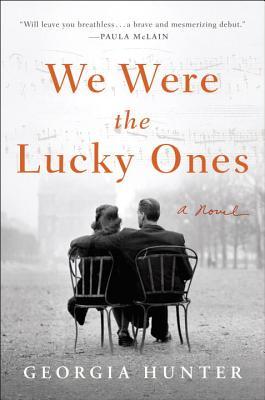
We Were the Lucky Ones by Georgia Hunter

This book is just incredible, but what makes it so good is that it's BASED ON A TRUE STORY!!!! Yes, this is a fictionalized account, but the overall outline is true, and really happened to the author's family. Which is just amazing. It's not necessarily an easy book to read (it is, after all, about Jews in Poland during WWII), but I was crying tears by the end (even though I knew how it was going to end from the beginning!). I highly recommend this one.


Also in the category of Historical Fiction:

The Summer Before the War by Helen Simonson

This one was just so lovely. It was light without being fluffy, had tragedy with a happy ending, and the writing was just beautiful and witty and exactly my kind of thing. I loved the characters, I loved the story, I loved the book.


Again, in the category of Memoir:

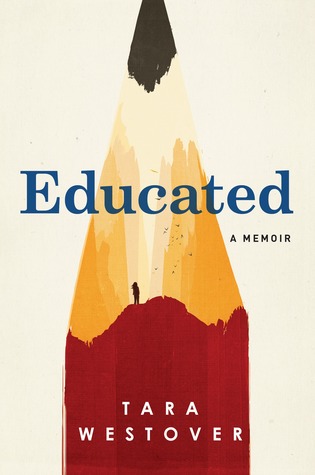
Educated by Tara Westover

I've gone back and forth (and back and forth) on whether or not to include this one. But if we're talking about a book that has stayed with me and made me think and that I've recommended to everyone just because I needed to talk to people about this book... well, then this one just can't be left off the list. It's not a happy read (no book has ever made me feel so angry), and I doubt I'll ever want to re-read it. But it is a powerful book with lots to talk about (makes for a fabulous book club read).


In the category of... YA? Classic children's? Fiction?

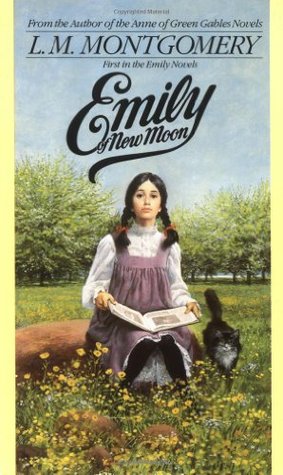
Emily of New Moon by L.M. Montgomery

Oh, how I loved discovering Emily this year! She was such a kindred spirit! (I may even like her better than Anne? Or at least, relate to her more). I'm so, so excited to re-read these books some day.


In the category of parenting/self-help/motivational/non-fiction:

The Read Aloud Family by Sarah MacKenzie

Seriously good stuff, guys. I recommend this to everyone, think it should be required reading for all parents, want to own it, and just... yes. I didn't think I needed to read it because I was already committed to reading aloud to my kids, but this still had so much good stuff in it! And honestly, parts of it got me all choked up (yes, seriously). Just, read it.


In the category of Middle-Grade/Historical Fiction:

The War that Saved My Life by Kimberly Brubaker Bradley

Ugh, why is WWII fiction just so darn good? I'm not always the biggest fan of middle-grade, but I really, really liked this one. I could legitimately see this one gaining classic status. It's very good.


In the category of Fantasy:

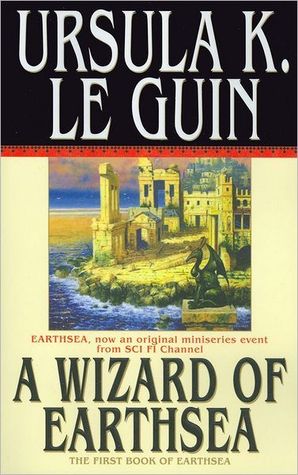
A Wizard of Earthsea by Ursula K. Le Guin

I read a lot of fantasy, it's fun escapism for me. But it rarely tends to make it into my top 10 lists (unless I'm specifically talking about my top fantasy read) because it doesn't seem to stick with me in significant ways. Maybe it's a little too early to tell, but I think this one is different. It feels so much more literary, made me think so much more deeply. It's got some lovely sparse prose. It felt classic, ancient, mythic. I loved it.


In the category of Classics:

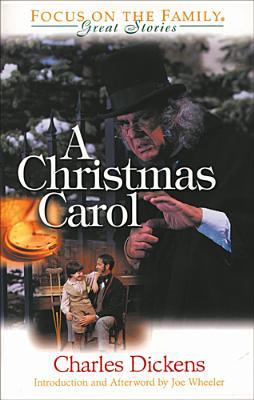
A Christmas Carol by Charles Dickens

Also maybe a little too fresh to be a fair inclusion here, but I predict this one will have some staying power with me (I mean, just look at how much staying power it's had with our culture in general). This book is just so, so good, and I'm glad I finally got around to reading it. My guess is this will become a yearly traditional re-read for me.


Okay, that was too much fun! How did your reading year go?

Wednesday, January 2, 2019

The Past, Present, and Future


I finished reading A Christmas Carol on Christmas Day, sitting in the cozy spot on my in-law's couch during the afternoon lull when all the hubbub of the morning had died down. I've confessed before that I've never read the whole book before, but I'd seen every movie production multiple times and knew the story backwards and forwards. The movies draw so many lines directly from the book that everything felt familiar and worn (in a good way) while reading the book.

Until I got to the end, and was hit with a line I'd never heard used in any of my favorite movie productions (or, if it is used, never in a way I'd paid attention to before). It comes just as Scrooge is pleading with the mysterious and silent Ghost of Christmas Future, right after he's seen his own name on the grave, when he says:

"I will honor Christmas in my heart, and try to keep it all the year. I will live in the Past, the Present, and the Future. The Spirits of all Three shall strive within me."

I think this line struck me so hard because, first, it sheds some light on an interpretation of the purpose of the story I hadn't considered before, but second, because no one makes statements like this these days.

I mean, people talk all the time about living in the Present. That seems to be the buzzword on everyone's lips, the New Year's message I've seen all over social media, the mantra of everyone from spiritual yogis to self-help experts to parents.

Live in the moment!

Be present!

All you have is now!

You don't hear anyone say "Live in the past!" In fact, most discourse seems to actively discourage that idea. You're more likely to hear messages of "Don't live in the past!" or "Let the past go!"

And while you do hear people telling you to plan for the future, the general advice also seems to be against living there. "Don't dream away your life" the message seems to go. "Don't spend your life waiting for that someday, live your life now!"

So I was terribly struck by Scrooge's promise, to live in not just the present, but also the past and the future. What is the good of living in all three? What does it mean to live in the past and future in positive ways? I've been thinking about this for the past week, and thought now might be a good time and place to work through my cogitations on the subject.

Living in the Past

I think, in some cases, you do need to let the past go. You need to forgive yourself and others for past hurts and move on. You need to stop bringing up people's past failings. You need to, in a manner of speaking, bury your dead, get over it, and move on.

But that's just for the negative stuff.

What about the positive stuff in your past? The happy times? The good memories?

I think even there sometimes we have the message that it's best not to dwell in the "glory days" if it just makes present hardships or circumstances feel pale in comparison.

But I do think there can be harm in forgetting too much, or in letting the past go without working through how much the past shapes our present. When it comes to past hurt, past trauma, past negativity, sometimes the most healthy thing to do is face it head on, own it, talk about it, bring it up. Not just bury it.

And also, I think there is harm in forgetting the good things, forgetting the happiness. I can't remember exactly where I read this, but I remember reading about a marriage study where the researchers determined that couple's who's marriages were on the rocks tended to rewrite their memories of their past relationship. Couples who were headed to divorce tended to look back and remember only the negative things-- the arguments, the rain on the wedding day, the miserable honeymoon with the missed flights and lost luggage-- until they are left wondering why they even got together in the first place when it was all just miserableness and loneliness from the beginning. They've completely forgotten all the positive and romantic things that brought them together, the good moments of laughter, how happy the wedding had been before the rain, how the airline had gifted them a free flight voucher for the lost luggage, all the happy moments in between.

See, it's all about what you choose to focus on in the past.

And focusing on the good, the positive, the happy moments, really can make your present self happier.

I love playing the game "Remember when" with my husband. We have all of our favorite dating stories: like our first Valentine's day together, or the first time we met each other's families, or all the places on campus we used to share secret kisses. Oh, and we both firmly agree that our wedding day and honeymoon were completely magical (although I'm sure if I thought hard enough, I could come up with negative things from those days... but why would I want to think about the negative things?). And telling these stories and dwelling in these memories only helps strengthen our relationship now. It keeps us grounded in our foundation, reinforces why we fell in love, reminds us that what we have now is so, so wonderful.

So yes, I agree that living in the past can be good. For Scrooge, it helped him deal with his childhood of emotional neglect, and remember that he once felt love and joy and happiness. Dealing with the painful parts and remembering the good parts are all part of living in a healthy past

Living in the Present

I feel like we hear so much about the benefits of living in the present these days that I don't need to say much about it. But of course I will, because there's a reason we are obsessively focused on living in the present: it's important and it's hard.

Surprisingly hard.

It's hard to enjoy life, right now, as it is, without worrying about the future or the never-ending to-do list or dwelling (unhealthily) on past mistakes or negative emotions. Many of us seem to spend a lot of energy escaping our presents, numbing our emotions, trying not to feel or think or deal with life as it is right now. Most of us wish something could be different, the old "I'll be happy when..."

But we only have now. We can't change the past, and the future only comes to us in a never-ending series of nows. Now and now and now.

Dreams you want to fulfill? Now is all you have

To-dos you want to do? Maybe you should do them now.

Children who are growing up too quickly? All they know is now, so be there with them. Be in the now, this moment, the laughs and the tickles and the stories and building blocks and the rolling around on the floor. Now is the time for hugs and I Love Yous. Now is the time for simply enjoying your children as they are, right now.

Live in the Present.

Live in the Future

There is certainly an unhealthy way to live in the future. When you're life is consumed with anxiety about all the potential problems or hurts or things that could go wrong, you can become paralyzed with fear for a future that hasn't even happened (and most likely won't). Or there is of course the opposite option, dreaming of your glorious future, the one where you have all the money and have finally lost all the weight and fixed all your problems and everything is better and you will finally be happy in that future.

Both of those are bad ways to live in the future.

But you simply cannot live without at least considering and planning for your future. I can't remember where I read about this either (some study or other in one of those social science motivation books I keep reading), but we tend to think of our present selves and our future selves as two very different people, and, frustratingly, we tend to treat our present selves with a lot more kindness and indulgence because, well, we "are" our present selves.

That future self? Well, that's a different person entirely. That future self is great. That future self will have everything under control. That future self will have all the good habits. That future self will have the time, the energy, the whatever to deal with problems, so we'll just let that future self take care of them. And because that future self is so virtuous, we'll just let this present self catch a break, indulge in one more treat, ignore that problem, stay up too late, etc. We are so much kinder to our present selves than our future selves.

But I've learned that in demanding a little sacrifice from my present self in favor of my future self can really go a looooong way to increasing my overall happiness, because of course, eventually that future self becomes the present self.

My biggest victory is meal planning. I hate meal planning. I hate figuring out what to make for dinner every night all at once, making the list of ingredients, doing the grocery shopping. It's an unpleasant task that asks for a lot from my present self once a week. But do you know what I love? Automatically knowing what I'm going to make for dinner every day, so I never have that 5 o'clock panic. Knowing that all the ingredients are there, ready to go. Not having to think about it every day except the day I meal plan for the week. It's one hour of pain that allows for a smooth and calm week. It's a moment where my present self sacrifices for my future self in a way that maximizes life value.

If done right and in balance, living in and for the future can make you happier, because eventually the future will become the present.

The Spirits of All Three

But of course, the real lesson from this book is not how to live in all three, but that we must live in ALL THREE. We can talk all we want about living in the here and now, focusing only on the present, but the present eventually becomes the past and the future eventually becomes the present. We must learn how to live and navigate in all three, for they are not separate. The past affects us, the present affects us, and the past and present affect our future. As Scrooge learned, the hard way, true happiness comes when we hold the perspective of all three tenses in our hearts at once.

Remember the goodness of your past

Live in your present to create good memories for the past.

Live in your present to prepare the way for your future self.

Live in the Past, Present, and Future.

Sunday, December 30, 2018

My Testimony of the Book of Mormon

I just finished the Book of Mormon, one day early.

For the context of any readers I might possibly have who are not members of The Church of Jesus Christ, back in early October, our prophet, President Nelson, challenged the women in our church to read the entire Book of Mormon before the end of the year. Less than three months to finish a 531 page book of dense scripture.

I'm nothing if not an upholder, so I knew once this expectation had been given me, from a prophet no less, I would meet it. But I also knew it wouldn't be easy for me. I did the math and calculated I would need to read between six and seven pages of scripture a day. I already struggled to read one page a day. Honestly, most days were a handful of verses. Factor in that this challenge was given in the middle of one of my most intense, most demanding semesters of my life, where I spent every available minute reading all my other assigned work, and I really didn't know how I was going to fit in extra reading time every day.

But now that it's over, now that I've done what felt impossible and like a serious burden in the beginning, I'd like to take a few moments and reflect on the experience.

Lesson 1: I Have Time for My Priorities

This is a lesson I keep learning over and over. My life is so busy, so very, very busy. I never have enough time to do all of the things I need to do, let alone want to do. During the semester, I never have enough time to clean the bathrooms, I never have enough time to watch TV, I never have enough time to get all the sleep I want. But I always have time for what is most important: reading to my children, making dinner every night, occasional date nights with my husband.

I have enough time for the things that are most important.

And this challenge was no different. Way back in early October, I did not know where I was going to find the time in every day to read seven pages of scriptures, but I knew it was important. I knew this was going to be a priority. And so I thought about where in my day I could do this. My morning routines are already so rushed, I didn't think I could add scripture reading there and still make it out the door on time (let's be honest, I was rarely making it out the door on time at the end there, always rushing into class frazzled and late). But I realized I have this pocket of time, about fifteen minutes or so, after we all get home from school but before I start dinner prep, where I usually allow myself a break. I get the kids set up with a snack and make a snack myself and just sit at the kitchen table scrolling my phone. I decided that if I read my scriptures during that snack time instead of scrolling my phone, I could probably fit it in there, so that's what I did.

It took some discipline on my part. After all, at that time of day (4 PM), I am exhausted and weary and not up for much mental exertion. Reaching for my scriptures instead of my phone took energy. And I will be quite honest that there were days I was so tired that my "reading" was pretty superficial, eyes glazing over words with not much meaning taken in. I even fell asleep a few times.

But it was a priority, and I made it happen every day, until it became natural and easy.

And so, during one of the busiest, most grueling semesters of my life, I found time every day to read seven pages of the Book of Mormon. It was time that I would've sworn before I did not have, but when I chose to make it a priority, when I looked long and hard at my schedule, there it was. Time for what was most important.

Lesson 2: Joseph Smith Did Not Write This Book

One of the hardest parts of pursing an advanced degree in the liberal arts is the fact that most of the people and texts I interact with on a daily basis are highly critical, if not downright hostile, toward religious belief. This was not my worst semester (by far) in terms of dealing with professors or other students or class discussions where faith has been ridiculed (oh, how different it is to attend schools that are not BYU), but there was still a constant undercurrent that occasionally rose to the surface.

There was the snarky comment at the conference I attended about scripture belonging to the "speculative fiction" genre.

There was the class discussion on fan fiction writing where a fellow student brought up the idea of scripture being like fan fiction (people being so obsessed with an imaginary world they write about it as if it were true).

That's just a small, small sampling of the many comments and ideas hostile to faith that I combat on a daily basis, but these two, made at this time where I was immersing myself in the Book of Mormon, found themselves rattling around in my brain as I came home to read every day.

What if the Book of Mormon was "written" by Joseph Smith, like some kind of Bible fan fic? What would that mean? That a twenty-something kid with a rather limited education was able, essentially on his own, to take some rather obscure verses in Jeremiah about the sacking of Jerusalem under king Zedekiah, and imagine not one, but two groups escaping at this time, send them over to America, and then construct 1,000 years of history for a complex civilization with incredible detail, and allow different writing styles for different prophets, and then throw in a complex structure of small plates and large plate abridgment? And then let's not forget about the Jaredites, and the level of complexity that adds! Could someone like Joseph Smith really have constructed this world? Imagined it this clearly? And, history aside, could he really have made up this doctrine? A kid who was not a theologian? With an eighth grade education?

It was actually my son, just a week ago or so, who asked me, "Mom, why isn't there an author listed on the title page of the Book of Mormon?"  And I shot the question back at him:

"Well, who would the author be? What name should be listed as the author?"

And in his sweet, sweet innocence, he thought for a minute and then said, "Well, didn't God write all the scriptures?"

Yes. In a way, yes. I explained to him about how it was actually a long string of prophets who kept records and then those records were compiled and abridged, and so, technically, they are the authors of the Book of Mormon. But in the end, it is God's work entirely.

I know there are some places (like my university's library catalog) where Joseph Smith is listed as the author of the Book of Mormon. But what impressed me so much during the past three months of reading this book, so quickly and all together, was that there is no way Joseph Smith could have done this. No offense to my esteemed ancestor (four-greats grand uncle), but it is a stretch to believe that any person of his background and upbringing could create something like the Book of Mormon from scratch.

It is honestly easier for me to believe an angel sent from God showed him how to translate it than it is to believe he wrote it himself.

Lesson 3: There is Power in this Book

This is not the first time I've learned this lesson, because this is not the first time I've read this book.

I read the Book of Mormon for the first time when I was eight years old, in answer to another challenge given me at my baptism (if an authority figure gives me a challenge, I will meet it). It took me a year to read it. I understood very little of it. And when I finished it, I happily closed the book, content to move on to other more exciting books.

I don't remember exactly how long it took me to notice. Maybe it was a few months, probably a few years. But I began to realize that something was different. I remember reflecting on my year reading the Book of Mormon, and how happy I'd been that year, how I had been kinder to my siblings and gotten in fewer fights, how I'd felt more peace. I'm still impressed with myself, for being able to notice this at such a young age, but I did notice that since finishing the book and moving on, I'd been less happy, more quarrelsome, not as good a person.

At the age of twelve, I decided that I needed to return to regular scripture reading. But since I'd already done the Book of Mormon, I decided to branch out and try the other books of scripture. It took me through most of middle school, but I read the Bible cover to cover, then read the D&C and the Pearl of Great Price. And it was good. But it was not the same.

In eighth grade, I began reading the Book of Mormon again, for the second time. Again, it took me the better part of a year to finish it, and again, I didn't understand most of it. But the difference in my life was marked. I felt it. I felt it every day.

I finished on October 15th 2001, when I was in 9th grade. I recorded the date in my scriptures, because I wanted to mark the occasion. Now, after having read every book of scripture, I could say without doubt that there was something different about the Book of Mormon. There was power there, and I knew that I never wanted to go another day of my life without that power in it. So I decided that no matter what, I would read at least some piece of the Book of Mormon every day of my life.

Today I finished reading it for the 22nd time.

It's hard for me to say exactly how reading it this time influenced my life more than at other times, considering how long it's been since I've been without the influence of this book in my life. But here's what I can say about this three month period: I survived when I thought I wouldn't. I found time I didn't think I had. I had ideas and thoughts that led to papers that were very exciting to write. I was led to an incredibly serendipitous find in the special collections library which allowed me to frame one of my papers on original research. I was able to spend time with my children. I found the mental energy to play with them. I read to them every day. I made their dinners and breakfasts every day. For the most part, I did not yell at them. During the Thanksgiving holiday, I had the distinct thought: My life is busy, but it is full of deep, deep joy! If I miraculously won the lottery tomorrow, it wouldn't change a thing! This is the life I would choose! I would wake up and keep doing exactly what I'm doing now!

Now, that's not to say everything was perfect. I was definitely not getting enough sleep, my kids were sick far more often than was convenient, and my house was a complete disaster 99% of the time. But I was feeling deep joy, and deep peace, despite the chaos.

And I know I was feeling it because of the Book of Mormon.

So, I would like to take this time and space and place, to share my testimony of the Book of Mormon. My faith has not always been perfect. I have been deeply troubled by doubts before, and still battle with many doubts. There are doctrines and practices in my religion that are hard for me to accept.

But this I know: The Book of Mormon is true. I know this in a way that defies logic or reason. I know, I have felt, that if I were ever to deny the Book of Mormon, the very fibers of my being would revolt against me, for every part of me, my body, and my spirit, knows it to be true. There is power in that book. I have never known or felt anything as strongly as this.

If you would like a free copy of the Book of Mormon, you can request one by clicking this link.

Wednesday, December 19, 2018

Birthday Season


It’s that time of year. Time for putting up decorations, time for buying presents, time for planning parties, time for making cake!

Wait, did you think I was talking about Christmas?

Yes, there are Christmas preparations too.

But no. I’m talking about the decorations and the presents and the parties for my soon-to-be seven-year-old boy and two-year-old girl. With one born two days before Christmas and one born three days after, this is the season of birthdays for us.

And if last year was any indication, this season promises to be a mad-house every year for the next decade or so. Because when your kid has a birthday around Christmas, it just isn’t fair, and you’ve got to do everything in your power to make it special. You’ve got to fight to have a birthday party (maybe not with friends, because everyone is traveling or busy with family, but the cousins are even more fun, right?), and you’ve got to make sure the wrapping paper isn’t the same one Santa uses, and you’ve got to get balloons and streamers that are NOT red and green. And you’ve got to make cake.

Lots of cake.

Cake for Birthday #1, cake for Birthday #2, and cake for the joint party the following weekend.

And you have to make all this cake even though no one will eat it. Because who wants birthday cake when there are plates of cookies (molasses and mint chocolate and snickerdoodles) and gingerbread houses covered in candy and peppermint bark and stocking treats and let’s not forget Christmas dinner pie!

But even though no one will eat the birthday cake, you will still make birthday cake. Because cake is what is served at every other birthday in every other month of the year, and gosh darn it, your children are going to have as normal a birthday as possible!

And during this crazy week, you will live in the kitchen. You will make two special birthday breakfasts plus Christmas brunch. You will make two special birthday dinners, plus the traditional Christmas Eve smorgasbord, and possibly (the years you’re hosting) all of Christmas dinner. And of course, you will make cake. Which means by the time the joint birthday party rolls around, you will wonder if anyone else will notice if all you serve is leftovers (and cake!).

When you wrap the presents, even though you only have three children, you will make five piles. And you will alternate between feeling guilty about how small each pile is considering this is the one time of the year that two of your children get any presents at all, and feeling incredibly overwhelmed by the sudden accumulation of so much stuff! Not to mention the cost of it all!

But in the quiet moments, the few snatched between all the present wrapping and decorating and cake-making, when you have a moment to reflect, you will feel that this whiplash between singing Christmas carols and singing Happy Birthday is actually… kind of perfect.

Because what is Christmas, after all, except the biggest birthday party of them all?

It is birthday season.

And what are birthdays for, except to celebrate the incredible blessing of life? We celebrate birthdays not only to remember the day we were born (most of us can’t remember that anyway), but to celebrate the life we’ve lived since being born.

The year my son was born was one of the most sacred and holy Christmas seasons I’ve ever had. I held my newborn babe and thought of the other one, born so many thousands of years ago.

But my son is not a baby anymore. Every year brings a new number, longer limbs, a bigger vocabulary. He wants bikes and books and LEGOS and a Star Wars birthday party, this growing boy of mine. And as he grows, I can’t help but think of a growing Savior. He was not a Babe every year either. He turned one, and then two, and even seven years old. What was he like as a seven-year-old? What games did he play? What songs did he sing? What would he have wanted for his birthday at seven?

The reason we celebrate birthdays is not just that we were born. We celebrate birthdays to celebrate the life behind and ahead of us.

The reason we celebrate Christmas is not because a baby was born in a lowly stable. The reason we celebrate Christmas is because that baby grew up, year after year, and did remarkable things with his life.

And so on the 23rd, I will celebrate my son, honor his remarkable life, and shower him with as much love and affection as I can. And on the 28th, I will celebrate my daughter, and look forward to all the amazing life she has yet to live.

And on the 25th, I will celebrate my Lord. I will honor His remarkable life. I will consider what it is I can give Him that would please Him most.

For it is birthday season, and that is how we celebrate birthdays.

That, and with cake!

Every other year or so, I tend to write a Christmas essay (this season makes me reflective, for obvious reasons), usually about my birth experiences. You can read my other ones here and here.

Monday, December 17, 2018

Books I Read in November

Well, we're barreling right along toward Christmas now, but I've just unburied myself from the avalanche that is the end of the semester, and now I'm back and ready to talk about reading for fun!

But really, that was one of the more exhausting semesters I've ever had. I loved my classes, but for some reason they all seemed to require so much more work than classes I've had before (more papers, longer papers, more reading, longer reading). And teaching/grading is always exhausting. It was a great semester for me as far as interesting research/writing, but I'm burned out in every way imaginable. I need this winter break so I can start feeling like a normal human functioning on more than survival mode. So grateful to be back here now!

Anyway, my November reading post is one of the many things that got put off in the midst of end-of-term paper writing. I'm sure most of you neither noticed nor cared, but I love writing those posts so much for the reflection time they give me about my pleasure reading. So, this is for me, even if none of you care. I only got around to six books in November (now, six books is actually a pretty good number for me, it's just down from the whopping 10 or so I read in October), because one of them was beastly long (and I only read half of it). But anyway, here they are:

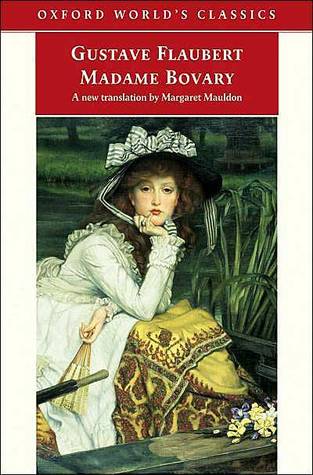
Madame Bovary by Gustave Flaubert

This one was a assigned reading, but I read it once before in high school (for fun back then...). Anyway, I can't really say I recommend this one, let alone like it, but it is still fascinating in so many ways. First off, Flaubert is just an incredible writer. This is a translation, and the amazing writing still shines through (oh, if only my French were good enough to read it in the original!). Second, I'm always fascinated by the negative portrayal of pleasure reading in this novel, and how Madame Bovary can never find happiness in life because real life doesn't measure up to the romantic books she reads. It feels like Flaubert is blaming the books, but honestly, I blame Madame Bovary. For some reason, all the men in my class found her a fascinating and attractive character (phrases like, "I would date her if she were a real person" were used in class), but I can't stand the woman. She annoys me beyond what is reasonable to be annoyed by a fictional character, and I'm sooooo frustrated by her life choices. Anyway, this makes for a fantastic English class/book club read (lots to discuss!), but does not make for a happy read.

Second Foundation by Isaac Asimov,

Third in the series, and my favorite up to this point, though I had to stop after this one because my library doesn't have the next book in the series available on audio (I could write a whole post about my library's spotty and disappointing audio book offerings, ugh!), so we'll see if I continue with the series. After all my complaining about the lack of female characters in the first book, here Asimov comes up with a rather delightful and precocious teenage girl who steals the show. And this whole mind-reading thing has really taken the series into a much more interesting place plot-wise. If you like science-fiction, I really do recommend this series.

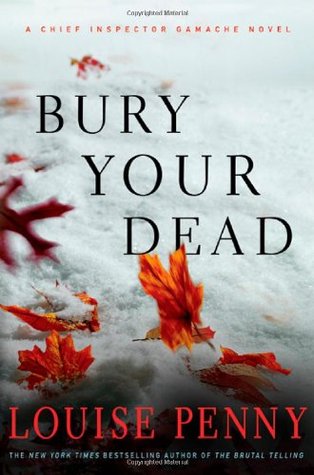
Bury Your Dead by Louise Penny

Perhaps not my favorite of the series, but good enough that I will keep along with it (I can't believe I've read six of these!). The murder investigation in this one was a little uncompelling to me (the opening of an old investigation was far more interesting, but also split the plot up), but I learned a lot of interesting stuff about Quebec and Canadian history which I enjoyed, and as always, the food descriptions were insanely mouthwatering. These books make such great winter reads, too, because Canada just sounds so darn cold all the time.


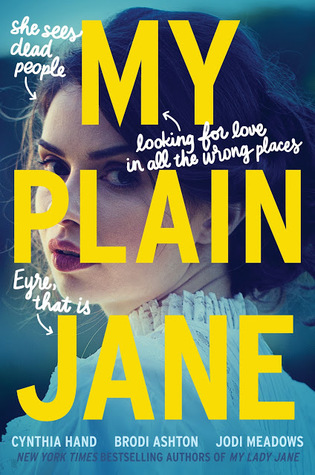
My Plain Jane by Cynthia Hand, Brodi Ashton, and Jodi Meadows

I finally got around to reading this long anticipated sequel to My Lady Jane (which I loved so much)! And, I have complicated thoughts. First, I think I really, really would've loved this one if I didn't love the original Jane Eyre  so much. If I could just disassociate this story from that one, if this could just be its own stand-alone historical fantasy fiction, I would've really loved it. The ghost element was a lot of fun, their humor was characteristically delightful, and there was so much to like. Unfortunately, they kept reminding me that this was riff on  Jane Eyre by actually quoting lines from the original, which just made their own writing look pale and juvenile in comparison. I think the ways they tried to rewrite the story and redeem Mr. Rochester were interesting, but in order to make Rochester palatable they basically had to break him up with Jane, which I don't necessarily disagree with, because I don't like Rochester in the original, but then it wasn't Jane's love story... and it just meant Jane wasn't the character I loved from the original, so that was hard for me. But if you haven't read the original, or don't care about, and just enjoy fun and light historical fantasy fiction, this one is worth the read.

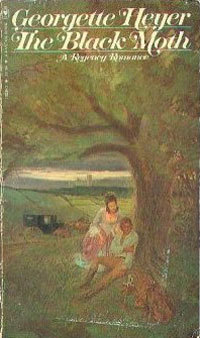
The Black Moth by Georgette Heyer

How I do enjoy a good Heyer novel! This was her first (apparently written when she was 17, or something ridiculous like that), and given that, I find it remarkably good. It's not her best novel, and a lot of the criticism comes from it being so darn cliche. And yes, when it comes to the stereotypical melodrama, I think Heyer manages to tick off every single cliche in the book. But she does it with such flair! The villain is sooo villainous, the hero so dashedly charming and deserving, the heroine so beautiful and in distress... it is all just delicious fun. I could absolutely see the influence of The Scarlet Pimpernel in this one.  I devoured this one, loved every minute of it.

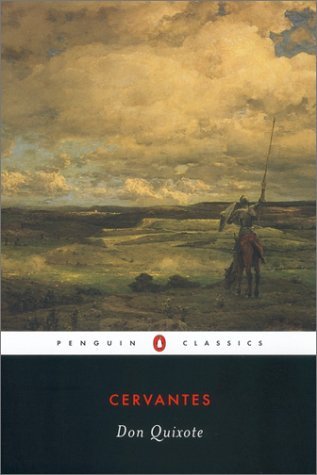
Don Quixote by Miguel de Cervantes

Okay, this was a quixotic pick for me (did you see what I did there?), but after reading Madame Bovary (Flaubert was heavily influenced by Don Quixote) and thinking about the way this story has influenced attitudes on books and the power of reading, and thinking it might relate tangentially to the topic I wanted to write my paper about, and seeing it was available on audio (when so many other things I want to read are not), I decided to listen to it for fun. Okay, I recommend no one do this, unless, like me, you are pursuing an advance degree in literature. This may have been wildly popular in it's day, and it may be very influential, and have a lot of great characters and funny moments, but as a whole it does not translate well to the modern day. It is long and tedious. I barely made it through Part 1, and decided to just stop there when I realized that Part 2 was written more than a decade later and only after fans asked for more. I'm glad I read it, I did end up using it in my paper, but if you're interested, just do yourself a favor and stick to the musical version or some other modern adaptation. Don't suffer through the early seventeenth century prose and meandering plot lines.

I started Don Quixote in mid November, and it took me the rest of the month to finish it, so that's all for my pleasure reading last month. December has been off to a slow start (thanks to all the time spent writing said papers), but now that I'm on break I'm hoping things pick up a bit. Holiday time means reading for fun time, am I right?